
Guides & Insights
Japan Safety Requirements for Inflatable Water Products
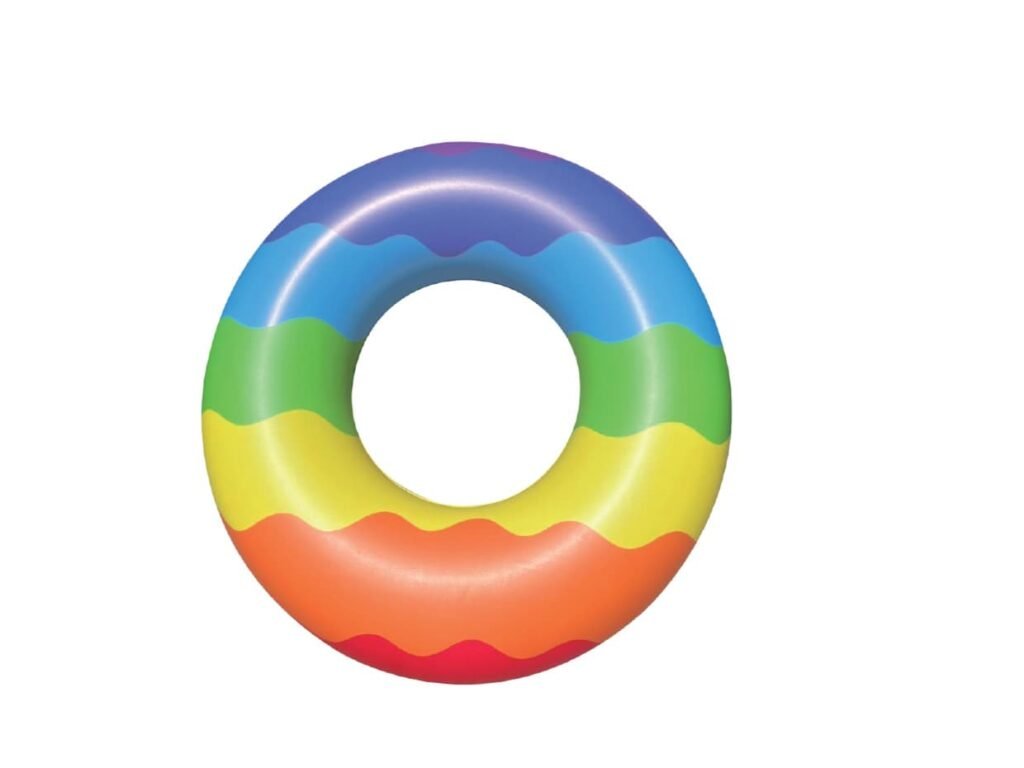
How product classification, ST toy safety standards, and physical construction affect swim rings, pool floats, and inflatable water products entering the Japanese market.
Developing an inflatable water product for Japan involves more than selecting a test standard after the sample is finished. A children’s swim ring, a novelty pool float, an arm ring, and a large inflatable lounger may all share high-frequency welded PVC construction, but they do not automatically follow the same Japanese safety route. In the Japanese compliance framework, requirements can influence the physical engineering of the product itself before laboratory testing begins.
When B2B buyers and sourcing teams approach custom OEM/ODM programs for Japan, conversations often start with a familiar assumption: “Japan needs ST.” However, Japanese safety requirements cannot be reduced to a single blanket acronym. Understanding how intended use, target user, product classification, physical construction, third-party testing, and Japanese markings connect is essential to executing a successful production run without costly re-tooling or compliance delays.
Used in Water ≠ Same Japanese Safety Route
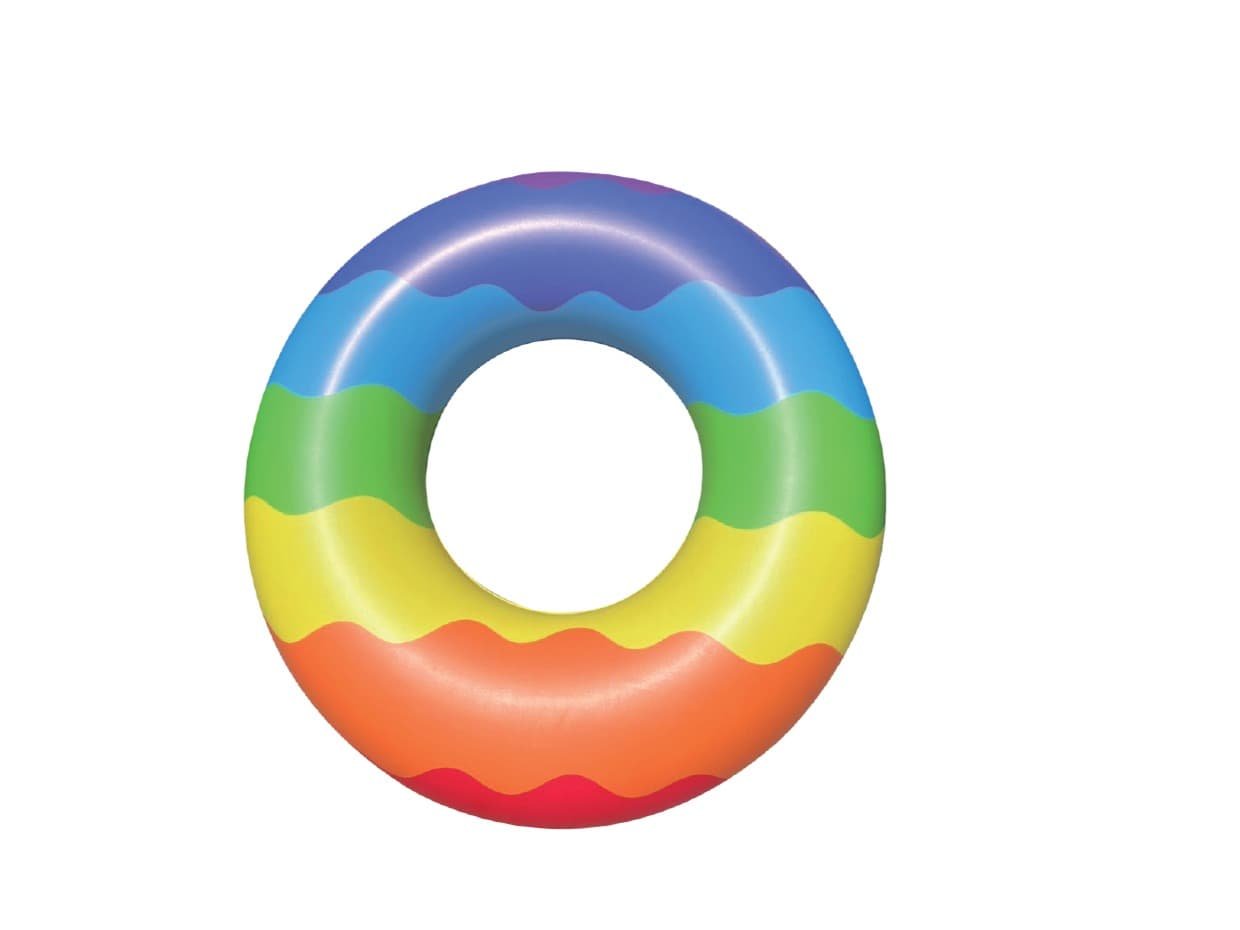
In Japan, safety routes diverge depending on whether a product is designed for play, buoyancy support, or general water recreation. Construction specifications such as chamber independence are established during early development.
Discuss a Japan Market Project →
Product Concept
Intended Use & User
Classification & Route
Product Construction
Testing & Marking
Mass Production
What Is the ST Standard in Japan?
ST (Safety Toy) is the toy safety standard and marking system administered by the Japan Toy Association (日本玩具協会). Established in 1971, it is one of the most widely recognized voluntary toy-safety systems used in the Japanese retail market.
However, ST should not be treated as a generic term for all Japanese product testing. It is a specific voluntary conformity system established by the toy industry association, not an all-encompassing government test that covers every consumer inflatable.
The ST Standard comprises three core parts addressing critical toy hazards:
| ST Section | Main Safety Focus | Relevance to Inflatables |
|---|---|---|
| Part 1 (ST Part 1) | Mechanical & Physical Safety | Evaluates sharp points, edges, seam integrity, small parts release, projection hazards, cords, and deflation behavior. |
| Part 2 (ST Part 2) | Flammability | Tests the rate of flame spread across toy materials and textiles under standardized laboratory ignition conditions. |
| Part 3 (ST Part 3) | Chemical Safety | Regulates heavy metal migration, coloring matter release, and specific plasticizer / phthalate limits in accessible plasticized materials. |
Products that successfully satisfy the applicable ST testing requirements through designated testing laboratories and conclude an ST Mark license agreement with the Japan Toy Association are authorized to carry the ST Mark on their packaging.
Important Compliance Distinctions for Global Sourcing: In international sourcing, ASTM F963 (United States), EN 71 (Europe), and ST (Japan) all serve as foundational toy safety benchmarks in their respective markets. However, their legal structures and conformity procedures differ significantly:
- ST is not simply the “Japanese version of EN 71” — testing protocols and acceptance systems have distinct national characteristics.
- ST is not a universal legal mandate for every toy sold in Japan; it is a market-driven voluntary conformity mark widely requested by major retailers and department stores.
- ST is not a mandatory government-administered certification regime like Korea’s statutory KC Safety Certification.
Child PSC: Japan’s Mandatory Regime for Infant Toys
In addition to industry standards, Japan’s Ministry of Economy, Trade and Industry (METI) introduced a mandatory government safety framework for applicable infant toys under the Consumer Product Safety Act (PSC regime). Effective from 25 December 2025, this system establishes mandatory safety requirements specifically for applicable toys intended for children under three years of age (commonly designated as Child PSC).
For products falling within the statutory infant-toy scope, compliance requires meeting technical safety benchmarks and displaying the official Child PSC mark alongside designated Japanese warning and age-grading information before the product can be legally distributed in Japan.
The current ST 2025 system has been aligned by the Japan Toy Association so that conforming to relevant ST 2025 technical criteria can support the technical compliance route required for applicable infant toys under Child PSC.
Child PSC is a mandatory government product-safety regime established by Japanese statute for applicable infant toys under three years old. ST (Safety Toy) is an industry standard and mark administered by the Japan Toy Association. While the two frameworks coordinate technical criteria for relevant infant toys, they are not the same system, nor should they be viewed as interchangeable commercial alternatives.
The Critical Buoyancy-Support Water Product Exception
A crucial distinction in official guidance from METI and the Consumer Affairs Agency (CAA) is that inflatable products utilizing buoyancy to support all or part of a child’s body in water are not simply treated as ordinary infant toys under the new Child PSC toy scope.
Official Japanese regulatory documentation explicitly identifies specific buoyancy-supporting water articles, including:
- Swim Rings (浮き輪 / うきわ)
- Baby Neck Floats (首リング)
- Inflatable Float Beds / Mats (フロートベッド)
- Arm Rings / Water Wings (アームリング)
Because items like neck rings, arm bands, and swim rings hold a child above water, their primary risk profile involves drowning hazards, deflation risks, and slippage rather than ordinary toy projectile or small-part hazards. Treating a buoyancy-supporting ring as a conventional plaything misdirects the testing plan, warning labels, and structural evaluation.
Product Classification Map for the Japanese Market
To help product managers, sourcing leads, and OEM buyers navigate product development, the following directional map highlights how common COMCO inflatable water products align with Japanese compliance pathways:
| Product Type | Current Japan Safety Direction | What Sourcing & Engineering Teams Should Consider |
|---|---|---|
| Swim Ring (浮き輪) | ST applicability and/or inflatable vinyl water-product industry safety route depending on size and intended user. | Intended use, outer/inner diameter, two-air-chamber construction, non-return valve design, Japanese warning copy. |
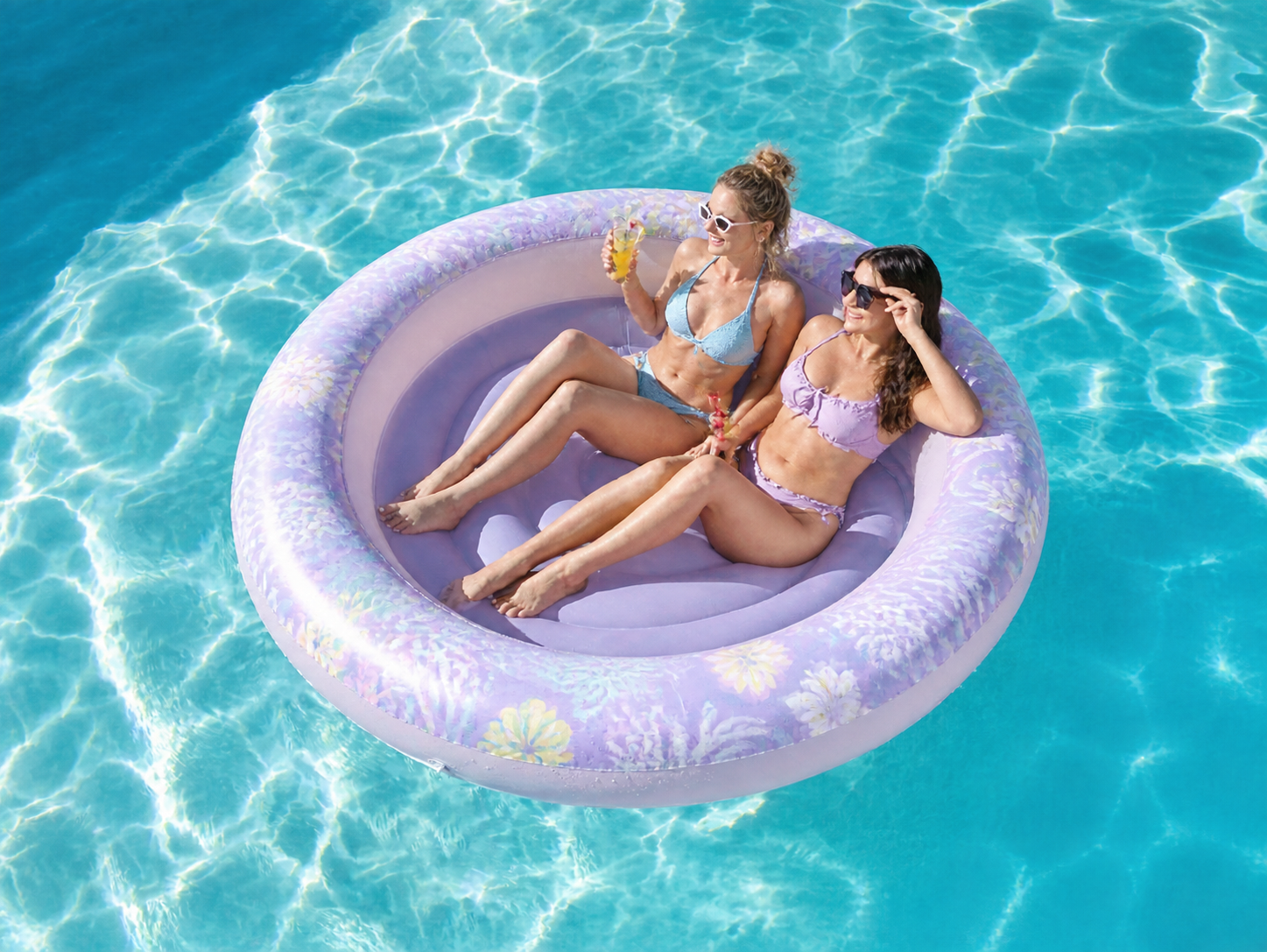
| Pool Float / Ride-On (フロート) | Larger recreational floats and ride-ons often follow inflatable vinyl industry safety criteria rather than ordinary toy rules. | Dimensions, weight capacity, grab handles, rope attachment safety, stable buoyancy configuration. |
| Water Wings / Arm Rings (アームリング) | Buoyancy-supporting product; not treated as an ordinary infant toy under Child PSC toy rules. | Double air chambers per arm, arm circumference sizing, non-slip inner surface, explicit supervision markings. |
| Baby Swim Seat / Neck Float (足入れ浮き輪 / 首リング) | Higher-risk buoyancy-supporting structure with specialized stability and slippage considerations. | Leg-hole smooth edge welding, dual chamber independence, rollover stability, explicit drowning hazard warnings. |
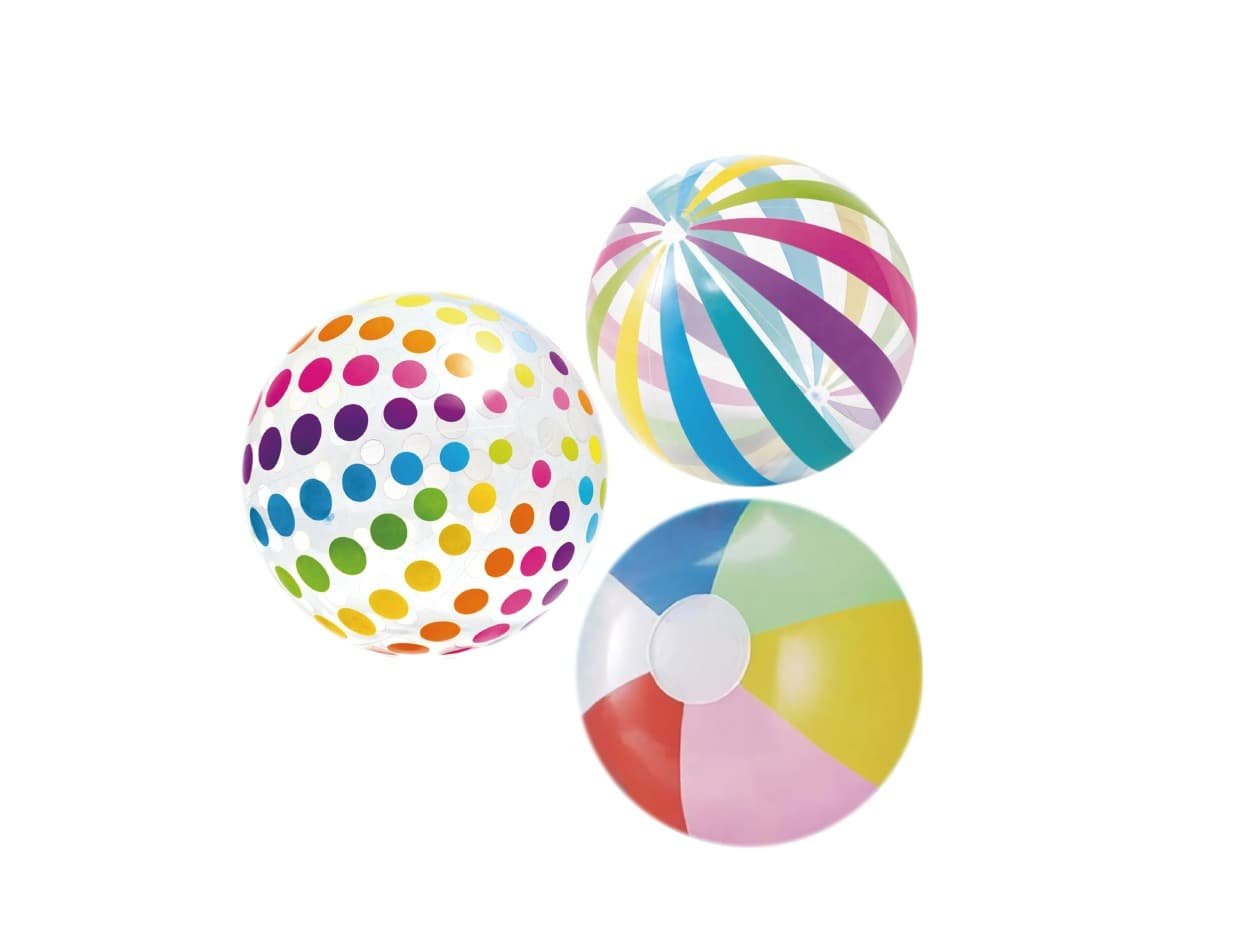
| Beach Ball / Vinyl Ball (ビーチボール) | May follow toy safety route (ST) or general leisure route depending on intended age grading and marketing. | Age grading, phthalate compliance in PVC film, valve plug security, inflation instructions. |
| Children’s Inflatable Pool (ビニールプール) | Certain infant configurations may enter infant-toy considerations; larger domestic pools follow distinct basin safety criteria. | Wall height, water volume capacity, drain plug durability, pinch points, structural welding integrity. |
| Water Toy / Sprinkler (水遊び玩具) | Follows toy route (ST and/or Child PSC) if designed genuinely for active play rather than flotation. | ST Part 1 mechanical tests, hose connector safety, chemical testing under ST Part 3, child age grading. |
Note: This classification map is directional and educational for manufacturing feasibility. Final testing requirements and legal classifications must be verified against actual product specifications and current Japanese regulations before certification commitments or volume production.
Why Do Japanese Swim Rings Often Use Two Air Chambers?
Anyone developing swim rings or inflatable flotation products for the Japanese market will quickly notice a consistent engineering request from Japanese buyers and trading houses: two independent air chambers (二気室 / 2-Chamber Construction).
Why is this design feature so prevalent in Japan? The rationale is grounded in physical product safety and water risk mitigation:
Single Point of Failure
If a swim ring relies on a single chamber, any puncture, weld rupture, or open valve cap leads to immediate, complete deflation. In open water, a sudden loss of buoyancy can cause an inexperienced swimmer or child to sink instantly.
Redundant Buoyancy Protection
Chamber A and Chamber B are separated by an internal welded partition wall, each equipped with its own independent valve. An air-loss incident in one chamber leaves the secondary chamber inflated, providing crucial residual buoyancy to reach safety.
Coaxial & Concentric Chamber Tooling
Manufacturing a two-chamber swim ring requires specialized high-frequency (HF) welding dies. Instead of a single outer perimeter and inner perimeter weld, the die must create an internal concentric partition or dual-stacked ring structure, with valves precisely aligned for easy consumer access.
At COMCO, our in-house tooling engineers configure HF brass dies to guarantee uniform seam tensile strength across both chamber dividers, eliminating micro-leaks between Chamber A and Chamber B.
Two-air-chamber construction is widely seen across Japanese swim rings of various diameters and represents a firmly established safety-oriented product design practice. Early structural confirmation prevents re-tooling mid-project.
Crucial Compliance Guardrail: Do not assume that Japanese statutory law categorically mandates two air chambers for every inflatable product. The complete applicable standards and industry guidelines depend on size and classification. For Japanese-market swim rings, two-air-chamber construction is a widely expected, safety-oriented market requirement that must be evaluated and confirmed with the buyer before tooling is cut.
Japanese Requirements Affect Product Construction Before Testing
Product compliance is not a stamp applied after production. For the Japanese market, technical requirements directly shape physical manufacturing specifications across multiple areas:
01. Air Chamber Partitioning
As noted above, chamber count and structural independence determine how the product behaves under stress. Sizing the volume ratio between chambers ensures that if deflation occurs in one chamber, the remaining chamber retains sufficient surface buoyancy.
02. Safety Valve Design & Air Retention
Japanese consumers and quality inspectors place high scrutiny on valve tightness and backflow prevention. Japanese-market inflatables typically incorporate non-return valves (flapped safety valves) that minimize rapid air loss when the stopper is accidentally opened. Stopper pull tabs must also be sized to avoid posing small-part release or mouth hazards.
03. Perimeter Ropes and Grab Handles
Larger swim rings (e.g., 90 cm to 120 cm diameter), floating loungers, and surf riders frequently incorporate perimeter grab ropes or welded PVC handles. In the Japanese market:
- Ropes must have controlled lengths and secure grommet attachments to eliminate strangulation or entanglement risks.
- Welded handles must undergo tensile peel testing to ensure they withstand adult pulling forces in surging waves.
04. Product Dimensions and User Sizing
In Japan, swim rings are commonly designated by deflated outer chest diameter (e.g., 50 cm, 60 cm, 70 cm, 80 cm, 90 cm, 100 cm, 120 cm), with recommended chest circumferences and age brackets clearly defined on packaging. Outer diameter and inner circle dimensions influence whether a ring enters children’s toy or general recreational guidelines.
05. PVC Film Formulation and Softness
The flexibility, plasticizer type, and low-temperature crack resistance of the PVC film must match the Japanese summer environment and rigorous chemical standards.
Japan’s Inflatable Vinyl Product Industry Safety Route
In addition to the Japan Toy Association’s ST standard, Japan has established industry safety standards administered by the Japan Inflatable Vinyl Products Industry Association (日本空気入ビニール製品工業組合).
A prime example is the industry’s recognized safety standard for inflatable water craft and surf products:
This safety framework is specifically relevant to larger inflatable boats, floating surf mats, ride-on novelties, and specialized swim-ring-type leisure products. The existence of this established industry route demonstrates a fundamental compliance reality:
Large inflatable water products should not automatically be forced into ordinary ST toy testing. Inflatable water articles designed for surf riding or general leisure have dedicated industry standards that reflect real-world mechanical loads, marine environments, and multi-chamber requirements.
PVC Chemical Requirements: Moving Beyond “6P Free”
Because COMCO specializes in flexible PVC film calendering and high-frequency welding, chemical compliance is a daily operational discipline. When exporting to Japan, foreign buyers often submit a simple chemical request: “Please ensure the material is 6P Free.”

In Japan, reducing chemical compliance to a generic “6P Free” statement is overly simplistic:
- Regulated Phthalates: Japanese standards for applicable toys and PVC components regulate common ortho-phthalates — including DBP, DEHP, BBP, DINP, DIDP, and DNOP.
- Application-Specific Scopes: Certain restrictions apply specifically to components intended to come into contact with a child’s mouth, while other restrictions govern general synthetic resin coatings or flexible substrates.
- Heavy Metal & Organic Substance Controls: Beyond phthalates, regulations govern lead, cadmium, arsenic, and evaporative residues depending on the regulated article.
At COMCO, our in-house PVC film calendering workshop enables us to compound virgin PVC resins with verified, non-ortho-phthalate plasticizers (such as DOTP, DINCH, or ATBC) tailored to the exact requirements of the target market.
Why Food-Sanitation Terminology May Appear
OEM buyers occasionally encounter references to Japan’s Food Sanitation Act (食品衛生法) in toy compliance discussions. This can cause confusion: “Why is a food regulation being cited for an inflatable water toy?”
Historically, Japan’s regulatory criteria for toy chemical safety — particularly synthetic resin requirements for toys intended for infants and young children who may mouth them — have been established under the administrative purview of the Food Sanitation Act. Understanding this connection prevents misunderstanding when laboratory test packages or Japanese documentation cite food-sanitation criteria.
Japanese Markings, Safety Warnings, and Packaging Artwork
Regulatory conformity extends directly into graphic design, instruction manuals, and packaging layout. For products entering Japan, required on-product and packaging elements include:
- Target Age Information: Clear age grading (e.g., “対象年齢 3歳以上” — Target age 3 and up) based on confirmed classification.
- Japanese Warning Headers: Standard Japanese safety icons and explicit warning terminology, including “警告 (けいこく)” (Warning) and “注意 (ちゅうい)” (Caution).
- Specific Drowning Warning Copy: Clear statements that the product is not a life-saving device (救命用具ではありません) and must only be used under direct parental/guardian supervision (保護者監督のもとで使用してください).
- Dimensional Sizing: Stated inflated dimensions, deflated fabric dimensions, and recommended user chest circumference.
- Responsible Party Details: Japanese importer/distributor contact information as required by Japanese consumer protection standards.
The ST Mark Is Not Decorative Clip Art
A vital operational rule for factory sales and design teams: the ST logo cannot simply be placed into an artwork file as decorative art. The ST Mark is a proprietary certification mark owned and managed by the Japan Toy Association. Its use is authorized exclusively after:
- The product has successfully passed applicable ST testing at an accredited laboratory.
- The Japanese applicant has executed the appropriate license contract with the Japan Toy Association.
Furthermore, ST conformity and test validity are governed by the Japan Toy Association’s procedural rules. Importers and factories should not assume that a historical test report from a past season covers future production runs indefinitely.
How COMCO Supports Japanese-Market Product Development
COMCO is an experienced OEM/ODM manufacturer of custom inflatable water products, pool floats, and pools. We do not position ourselves as a Japanese legal consultancy or certification registrar. Instead, our value lies in integrating Japanese market requirements into the physical engineering, prototyping, testing support, and volume manufacturing process.
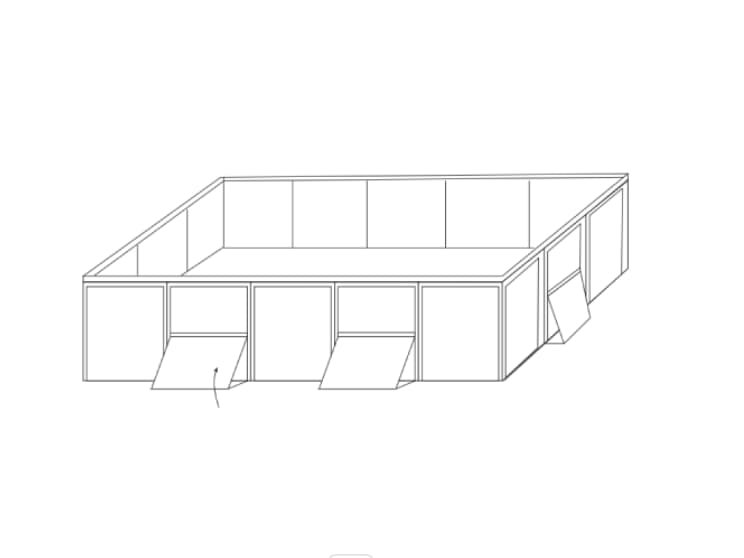
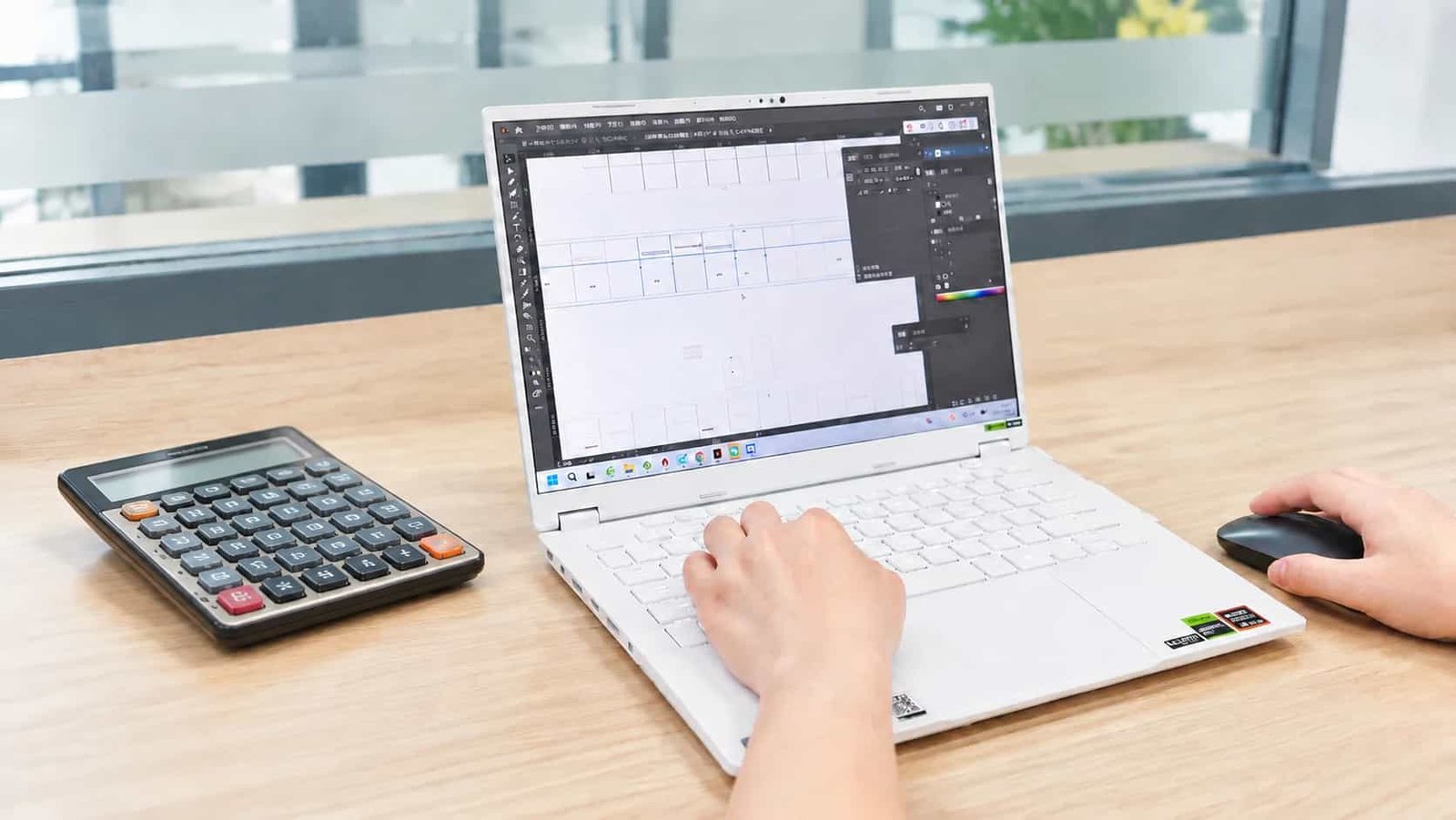
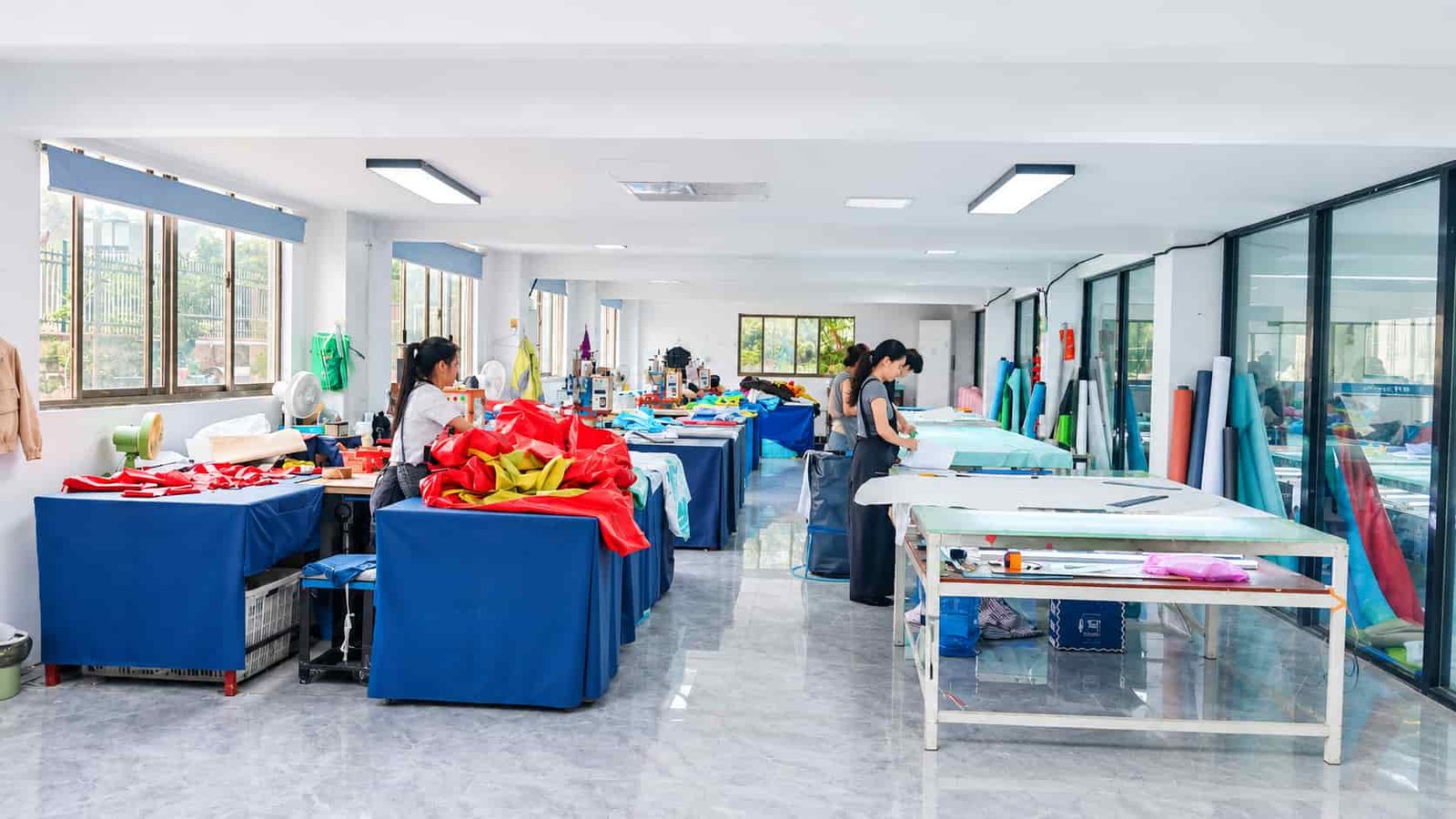

Our Manufacturing & Quality Capabilities:
- Custom Multi-Chamber HF Tooling: Proven capability in precision high-frequency welding tooling for concentric two-chamber swim rings, multi-tier pools, and compartmentalized floats.
- In-House Calendering & Material Formulation: Direct control over PVC film thickness, phthalate-free formulation, cold resistance, and custom color matching.
- Production-Representative Prototyping: Hand-sampled prototypes created with actual production dies and materials, ensuring testing accuracy.
- 100% 24-Hour Air-Retention Testing: Every sealed inflatable unit undergoes 24-hour inflation holding to verify seam integrity and valve seal reliability before packaging.
- Third-Party Laboratory Coordination: Extensive experience supplying test specimens, technical construction drawings, and material declarations to international inspection bodies (e.g., SGS, Intertek, BV, BCTC) for Japanese conformity programs.
Frequently Asked Questions
What is the ST Standard in Japan?
Does every inflatable water product sold in Japan need ST?
Why do Japanese swim rings often have two air chambers?
Is Child PSC the same as the ST standard?
Can COMCO provide an ST certificate directly?
Developing an Inflatable Water Product for Japan?
Share your concept, drawing, or reference specification with our engineering team. We will evaluate construction feasibility, chamber configuration, valve options, and material compliance for the Japanese market.
Resources
Related articles
Guides & Insights · October 4, 2026
KC Certification for Inflatable Water Products in Korea
Learn how KC requirements for inflatable water products in Korea can differ by product classification, including Safety Certification, product testing, factory inspection and Safety…
Guides & Insights · October 4, 2026
U.S. vs. Canada Compliance for Inflatable Water Toys
Understand why inflatable water toys sold in the U.S. and Canada may follow different regulatory frameworks, including ASTM F963, CCPSA and Canadian Toys Regulations.
Guides & Insights · October 3, 2026
EN 71-8, EN 16927 or EN 16582: Which Standard Applies to a Pool?
Understand how European pool classification affects EN 71-8, EN 16927 and EN 16582 testing routes for paddling pools, mini-pools and domestic above-ground pools.