
Guides & Insights
High-Frequency vs. Hot-Air Welding for Inflatable Products
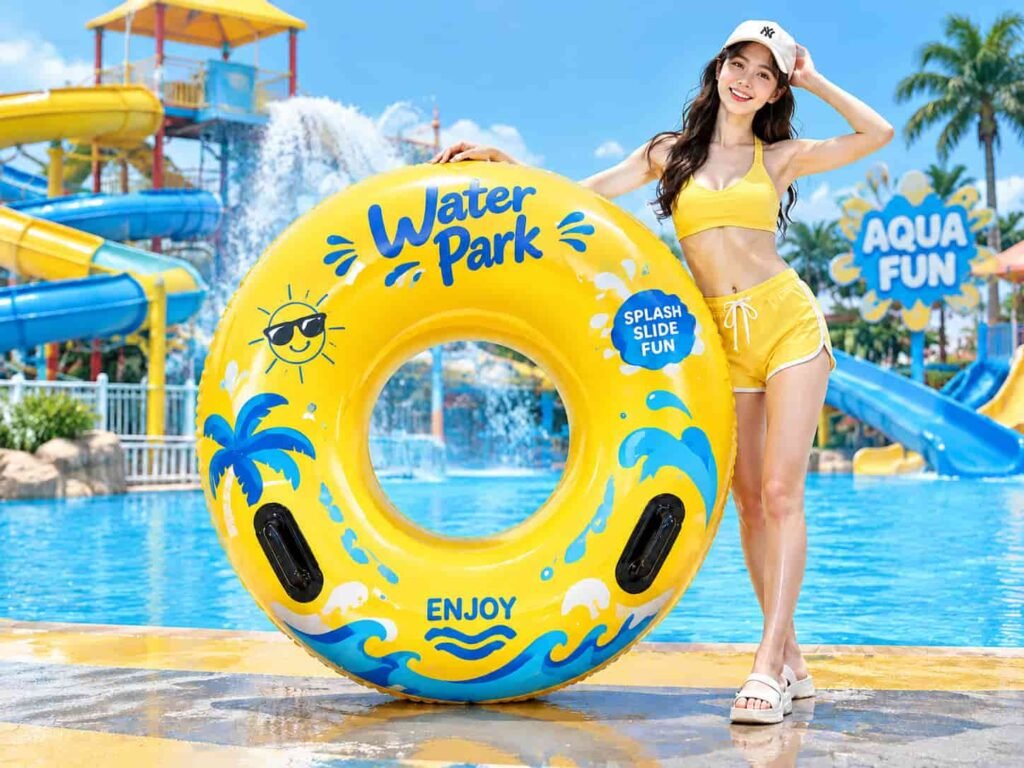
High-frequency (HF) welding and hot-air welding are both used to manufacture inflatable products, but they differ in seam construction, production efficiency, cost and suitable applications.
Neither process is simply “better.” The right choice depends on the product design, intended use, order volume and customer requirements.
What Is High-Frequency Welding?
High-frequency welding, also known as HF or RF welding, uses high-frequency electromagnetic energy and pressure to fuse compatible thermoplastic materials such as PVC.
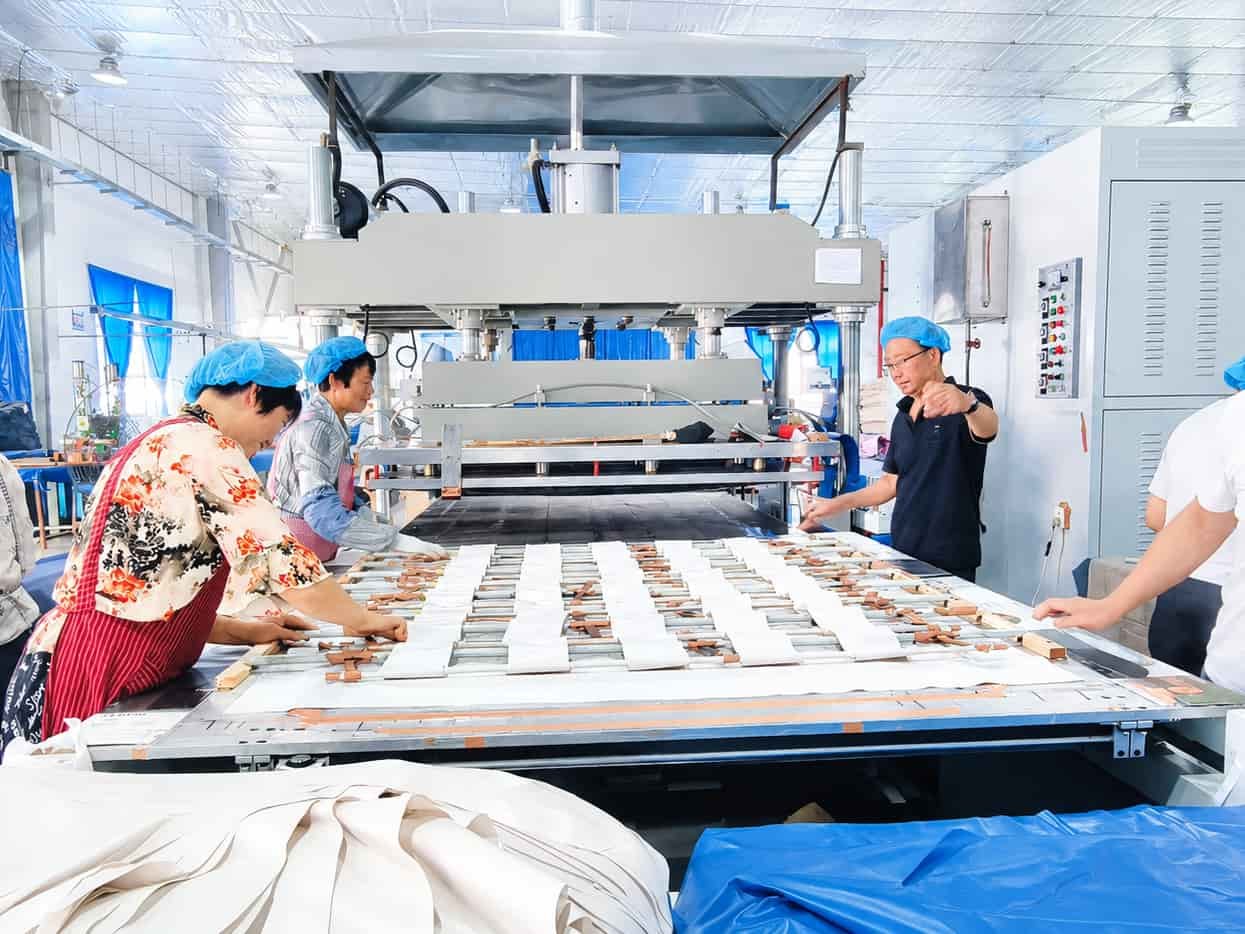
At COMCO, HF welding is widely used for inflatable production. Dedicated tooling is normally required, but once the tooling and process are established, HF welding offers high efficiency, good repeatability and competitive manufacturing cost for volume production.
For many conventional PVC inflatable products, it remains a highly efficient and economical solution.
What Is Hot-Air Overlap Welding?
Hot-air welding uses controlled heated air to soften the joining surfaces before pressure bonds them together.
For the commercial water park tube construction discussed here, two PVC panels overlap across the welded area, creating a different joint geometry from a conventional HF-welded seam.
In COMCO’s current production process, hot-air overlap welding involves greater manual input, so processing costs are generally higher.
This does not make hot-air welding automatically better. It is an alternative construction used when the product design, application or customer specification calls for it.
HF vs. Hot-Air at a Glance
| Factor | HF Welding | Hot-Air Overlap Welding |
|---|---|---|
| Joint Construction | Fused & compressed | Overlapping construction |
| Tooling | Dedicated tooling usually required | Less dependent on HF tooling |
| Production Efficiency | High for volume production | Lower production efficiency |
| Labor Input | Lower at volume | Higher |
| Production Cost | More cost-efficient at volume | Higher processing cost |
| Typical Application | Repeat volume production | Specialized commercial applications |
| Key Advantage | Efficiency & cost at volume | Overlap seam construction for demanding applications |
Why Use Hot-Air Overlap Welding for Water Park Tubes?
Commercial water park slide tubes experience much more intensive repeated use than ordinary recreational pool floats. They repeatedly carry riders through slides, turns and landings, followed by handling and another operating cycle.
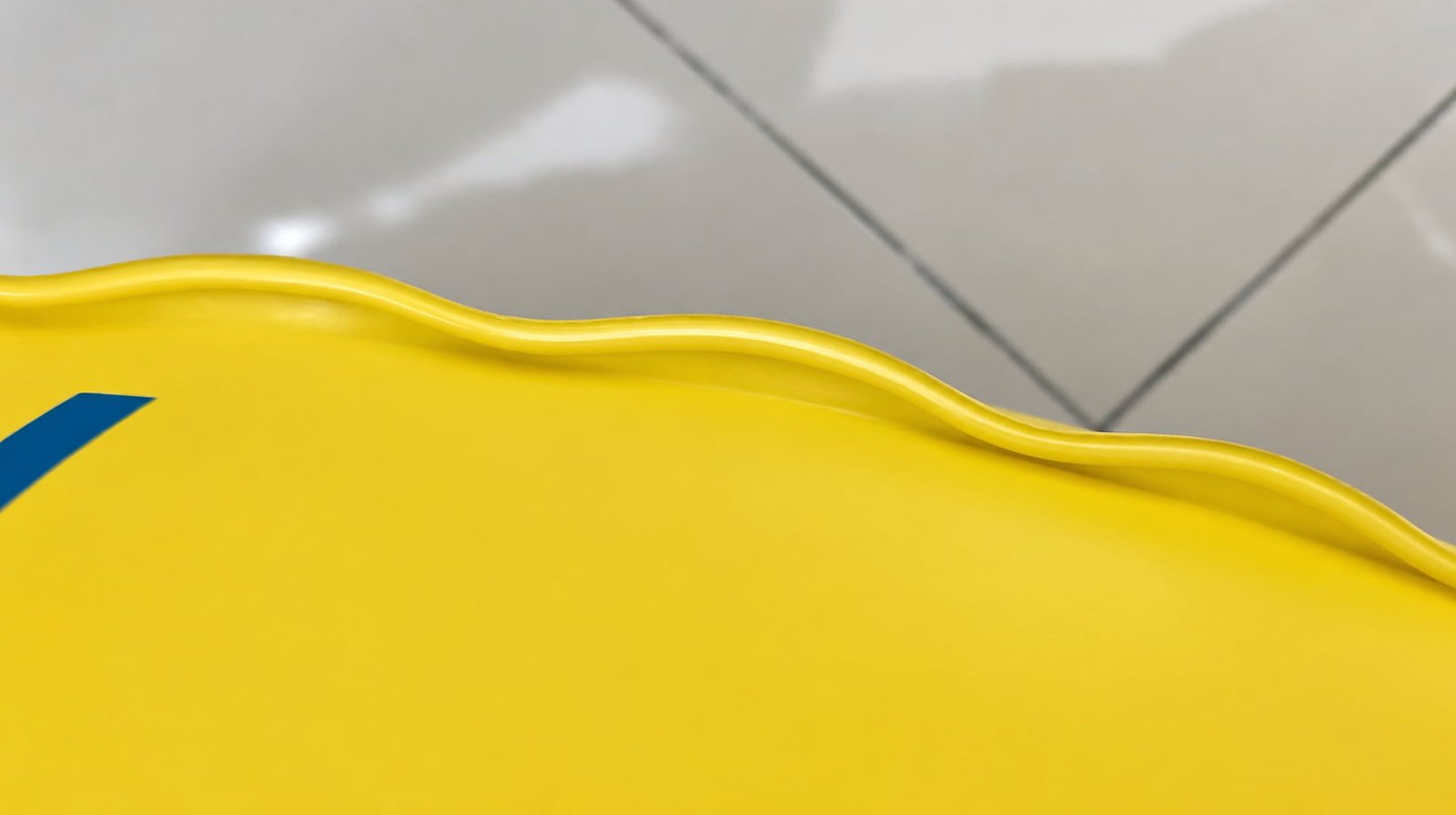
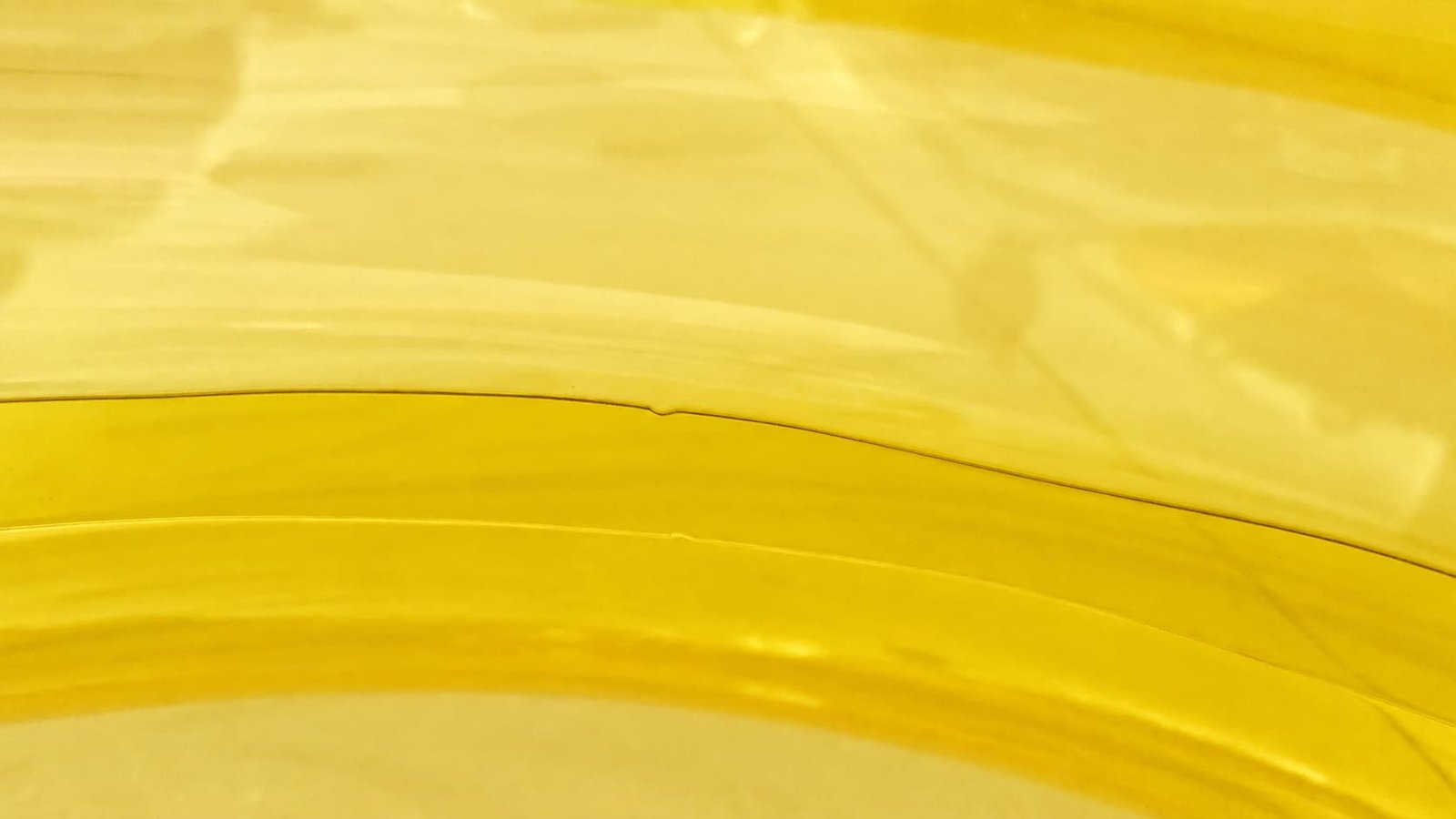
With HF welding, the material in the welded area is fused and compressed under electrode pressure. With hot-air overlap welding, the two panels retain an overlapping joint construction across the seam area.
HF welding itself can produce strong and reliable seams. However, based on COMCO’s project experience and feedback from professional water park suppliers, hot-air welded overlap construction may be preferred for certain commercial slide tube projects where service life under intensive repeated use is a priority.
This is why some professional water park customers specify hot-air overlap construction even though the processing cost is higher.
Which Welding Process Should You Choose?
For repeat, high-volume inflatable production, HF welding generally offers strong advantages in efficiency, consistency and cost.
For specialized commercial products such as water park slide tubes, hot-air overlap welding may be considered when overlap seam construction and service life under intensive use are higher priorities.
The decision should consider:
Material + Product Structure + Application + Order Volume + Cost + Customer Requirements
COMCO can evaluate the appropriate material and welding construction according to the requirements of each OEM project. When evaluating materials alongside manufacturing processes, see our guide on PVC vs. TPU material selection to determine which thermoplastic fits your product requirements.
Explore Commercial Water Park Slide Tubes
Review our commercial water park tube configurations available in both HF and hot-air welded overlap seam constructions:
Developing a Commercial Inflatable Product?
Contact COMCO to discuss the material and welding construction that best fits your application.
Resources
Related articles
Guides & Insights · October 6, 2026
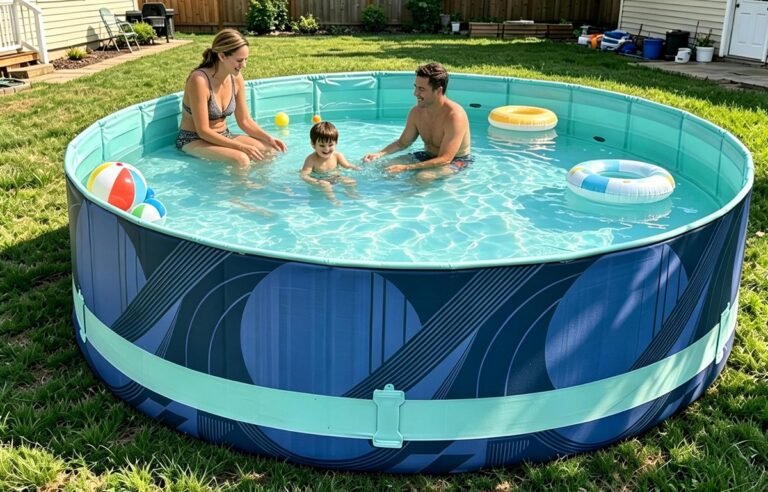
Pool Wall Height vs. Usable Water Depth: What Pool Buyers Need to Know
Understand the difference between pool wall height and usable water depth, plus how water-level markings are applied during pool manufacturing.
Guides & Insights · October 6, 2026
PVC vs. TPU for Inflatable Products: Which Material Should You Choose?
Compare PVC and TPU for inflatable products, including material cost, performance, PVC-free requirements and how to choose the right material.
Guides & Insights · October 4, 2026
Japan Safety Requirements for Inflatable Water Products
Learn how Japanese product classification, ST toy safety standards and product construction can affect swim rings, pool floats, water toys and other inflatable water…