
Guides & Insights
KC Certification for Inflatable Water Products in Korea
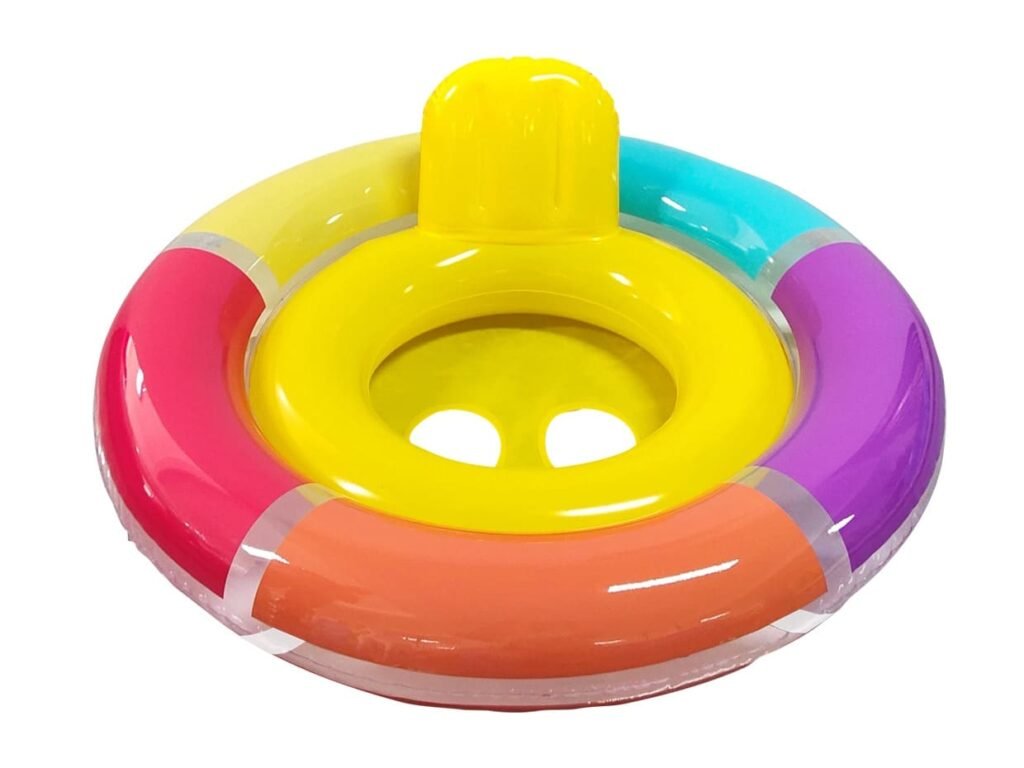
How product classification affects testing, factory inspection and KC requirements for inflatable water products entering South Korea.
For inflatable water products entering Korea, “KC certification” does not always mean the same compliance route. Commercial descriptions such as swim ring, pool float, ride-on, arm ring, baby seat, or beach ball share similar PVC materials and high-frequency welded construction. In the Korean regulatory system, however, physical resemblance alone does not determine the regulatory pathway.
Depending on product design, user age, and intended function, some children’s water-play products fall under Korea’s Children’s Water Play Equipment category — a stringent Safety Certification (안전인증) regime that mandates both product inspection/testing and factory inspection. Other items, such as ordinary water toys, may follow Safety Confirmation (안전확인), while larger water-leisure products can be governed under entirely separate frameworks. Understanding this classification distinction early helps align product development, certification, artwork, and production schedules before mass manufacturing begins.
Same Inflatable Category ≠ Same KC Route
In Korea, common inflatable water items are regulated under distinct statutory pathways. Physical samples, factory audits, and marking rules are tied directly to product classification.
Discuss a Korea Market Project →
KC Is More Than a Laboratory Test
KC (Korea Certification) should not be treated as the name of a single laboratory test or an all-encompassing test report. Korea’s product-safety framework, overseen by the Korean Agency for Technology and Standards (KATS) and recorded under Safety Korea, applies distinct conformity routes to different product categories.
For inflatable water products, the compliance workflow operates in a sequential, structured chain:
Product Classification
Applicable KC Route
Product Test / Inspection
Factory Inspection
Marking & Mass Production
Because the certification route determines whether a factory audit is mandatory, how samples must be drawn, and what Korean-language information must be printed on the packaging and product, classification needs to be understood before tooling release, artwork completion, and mass production begin.
When Inflatable Water Products Fall Under Safety Certification
Under Korea’s Special Act on the Safety of Children’s Products (administered via the Korean Law Information Center), certain products intended for water use by children are classified as Children’s Water Play Equipment (어린이용 물놀이기구).
This is classified under the most rigorous statutory category: Safety Certification (안전인증).
Children’s Water Play Equipment (어린이용 물놀이기구) → Product Inspection / Testing + Factory Inspection → KC Safety Certification
Official Korean regulatory records published on Safety Korea confirm that products commonly entering this route include:
- Children’s swim rings and tubes (어린이용 튜브 / 물놀이 튜브)
- Arm rings and water wings (암링 / 팔튜브)
- Baby and kids walker tubes / swim seats (보행기 튜브 / 착용형 튜브)
- Neck floats (목튜브)
This is why a Korean KC project for a children’s inflatable water product can involve substantially more than sending physical samples to an accredited testing laboratory. The manufacturing facility itself is an integral part of the certification process.
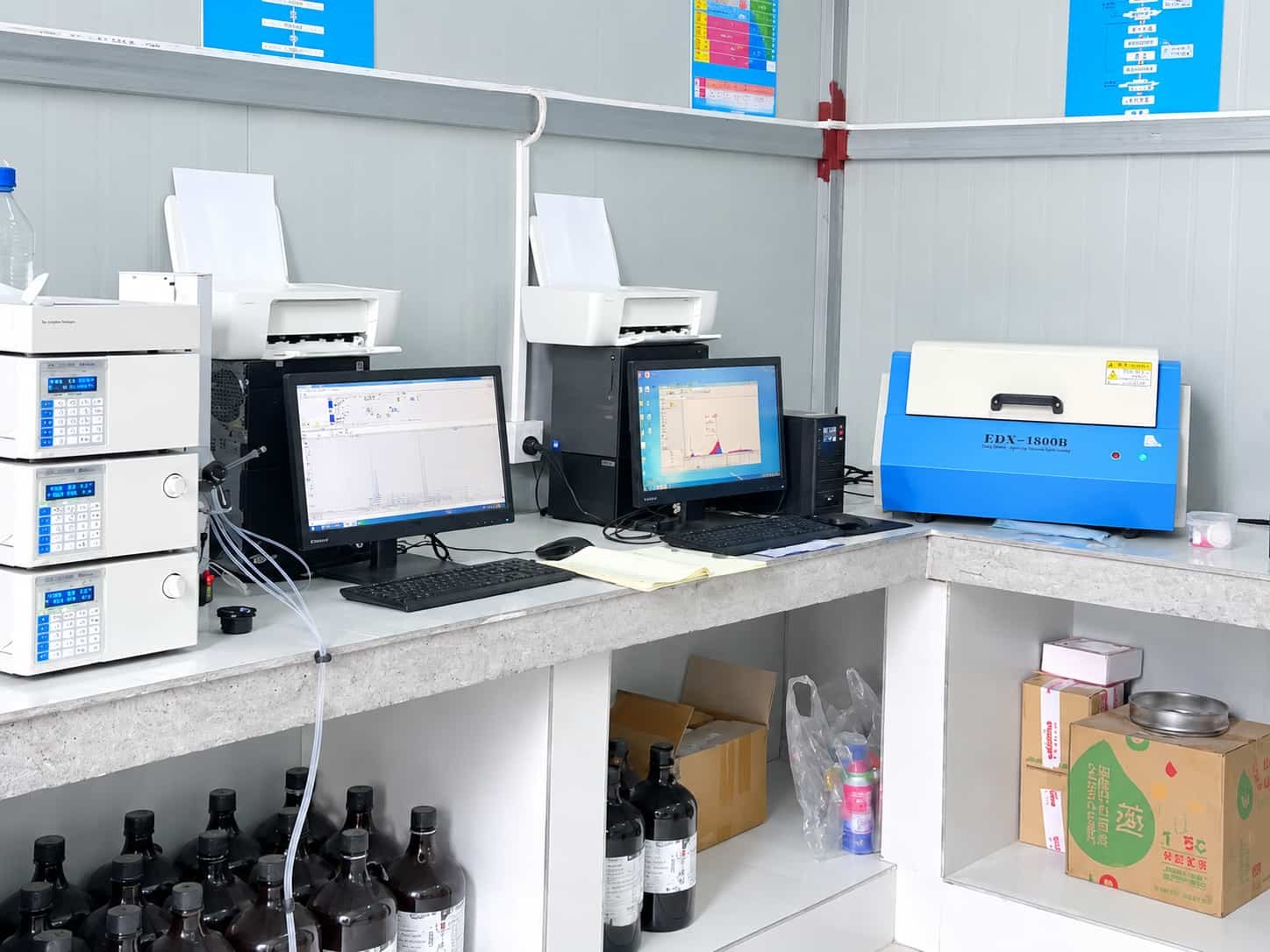
Why the Factory Can Be Part of KC Certification
For products regulated under the Safety Certification route, certification is issued not merely for an isolated test specimen, but to the designated manufacturing factory and specific product model combined.
The certification process evaluates:
- Factory Manufacturing Capabilities: Consistency of production lines, high-frequency tooling maintenance, and raw material handling.
- In-House Quality Control & Inspection Systems: Quality checkpoints across incoming PVC film inspection, seam strength testing, in-line welding checks, and air retention protocols.
- Calibration & Testing Apparatus: Maintenance records and calibration traceability of internal inspection equipment.
Furthermore, Safety Certification should not be treated as a one-time test report that lasts indefinitely without oversight. Korean statutory rules provide for periodic post-certification inspection and ongoing certification management. Production consistency, batch tracking, and raw material controls remain directly relevant throughout commercial mass manufacturing.
Product Name Alone Does Not Determine the KC Route
Two products that appear similar on a catalogue page or retail shelf may follow completely different Korean compliance routes based on dimensions, intended user, and product design.
Consider the following regulatory distinctions:
- Intended User & Age Group: Products specifically designed, sized, or marketed for children in water play typically invoke children’s product safety laws. In contrast, larger leisure floats engineered for adult relaxation may be assessed under different water-leisure frameworks.
- Product Construction & Body Support: An unattached recreational tube may be evaluated differently from a float with integrated body harnesses, leg holes, or neck supports.
- Intended Function & Product Claims: A beach ball intended for casual toss-play may differ in classification from equipment specifically engineered to support a child’s body in water.
Because classification depends on the totality of the product’s design, size, and intended use, commercial product titles should never be used as the sole basis for regulatory determinations.
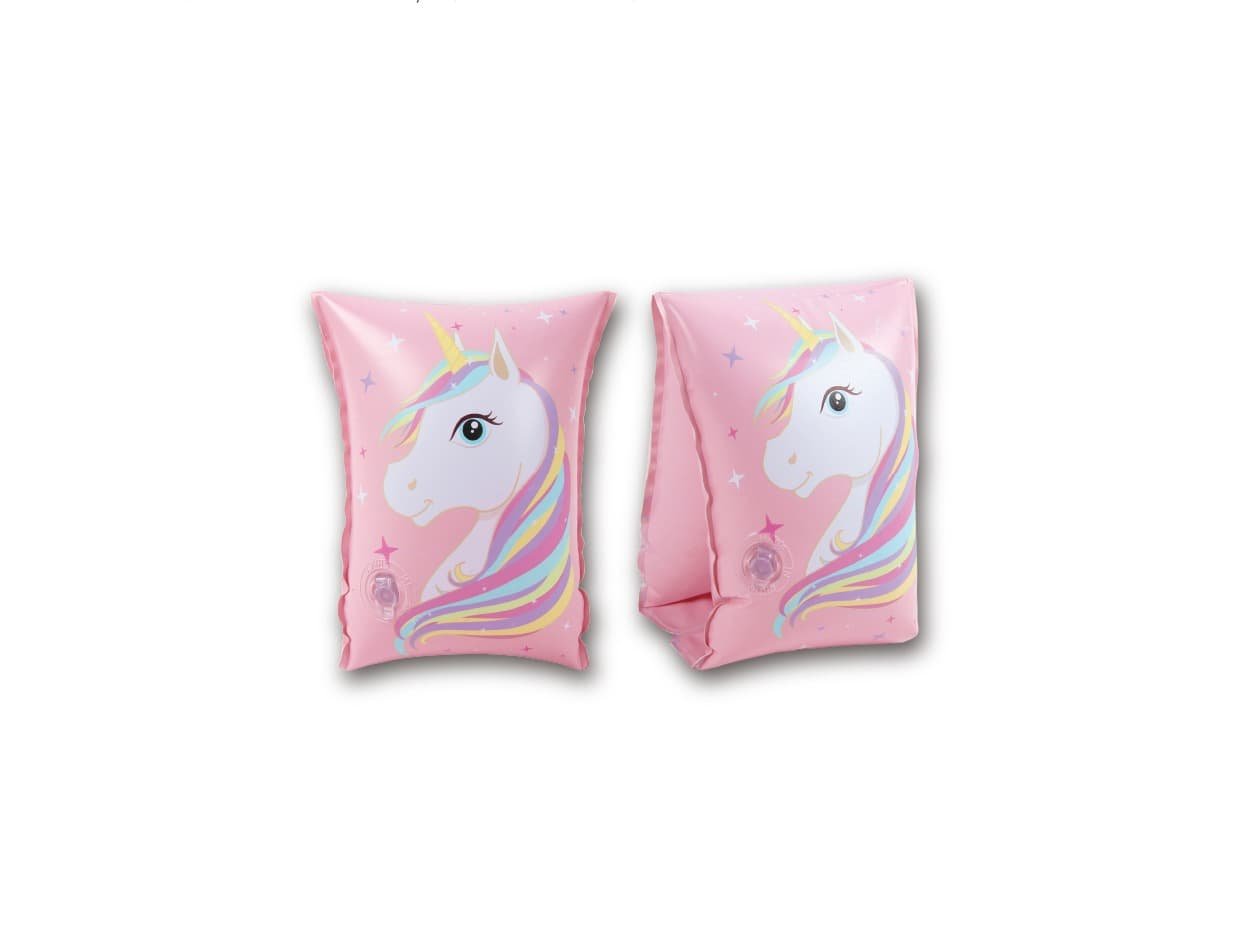
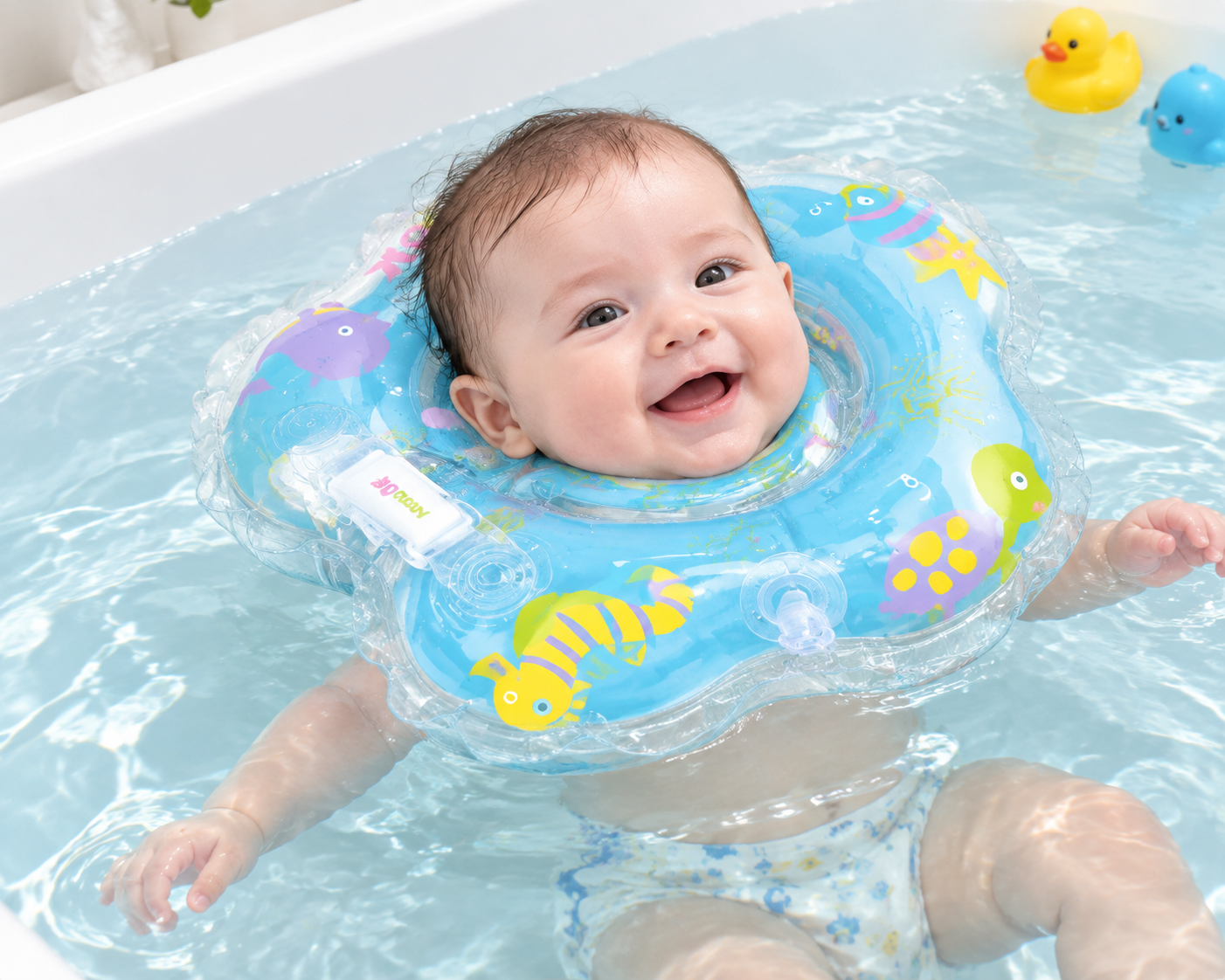
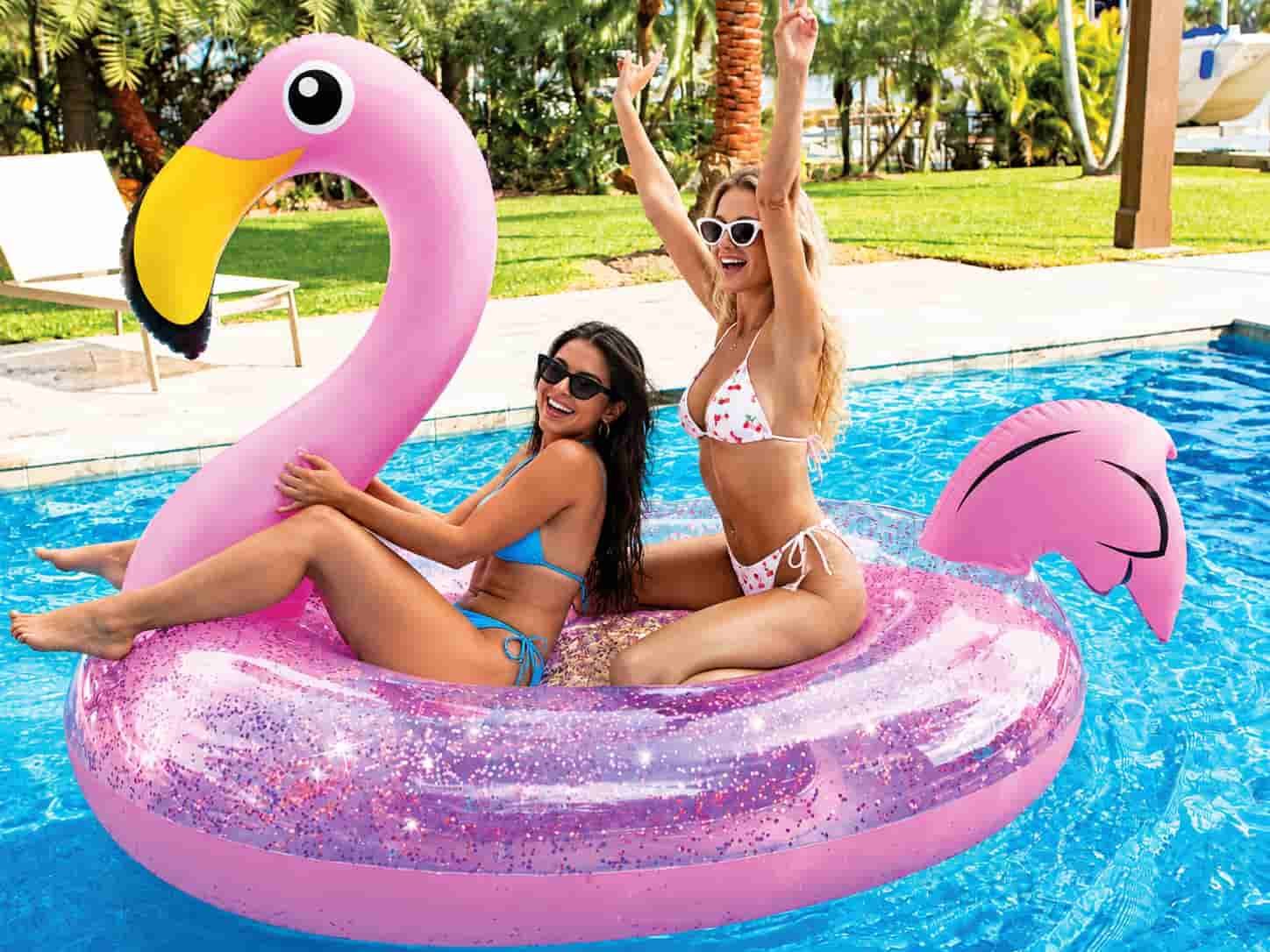
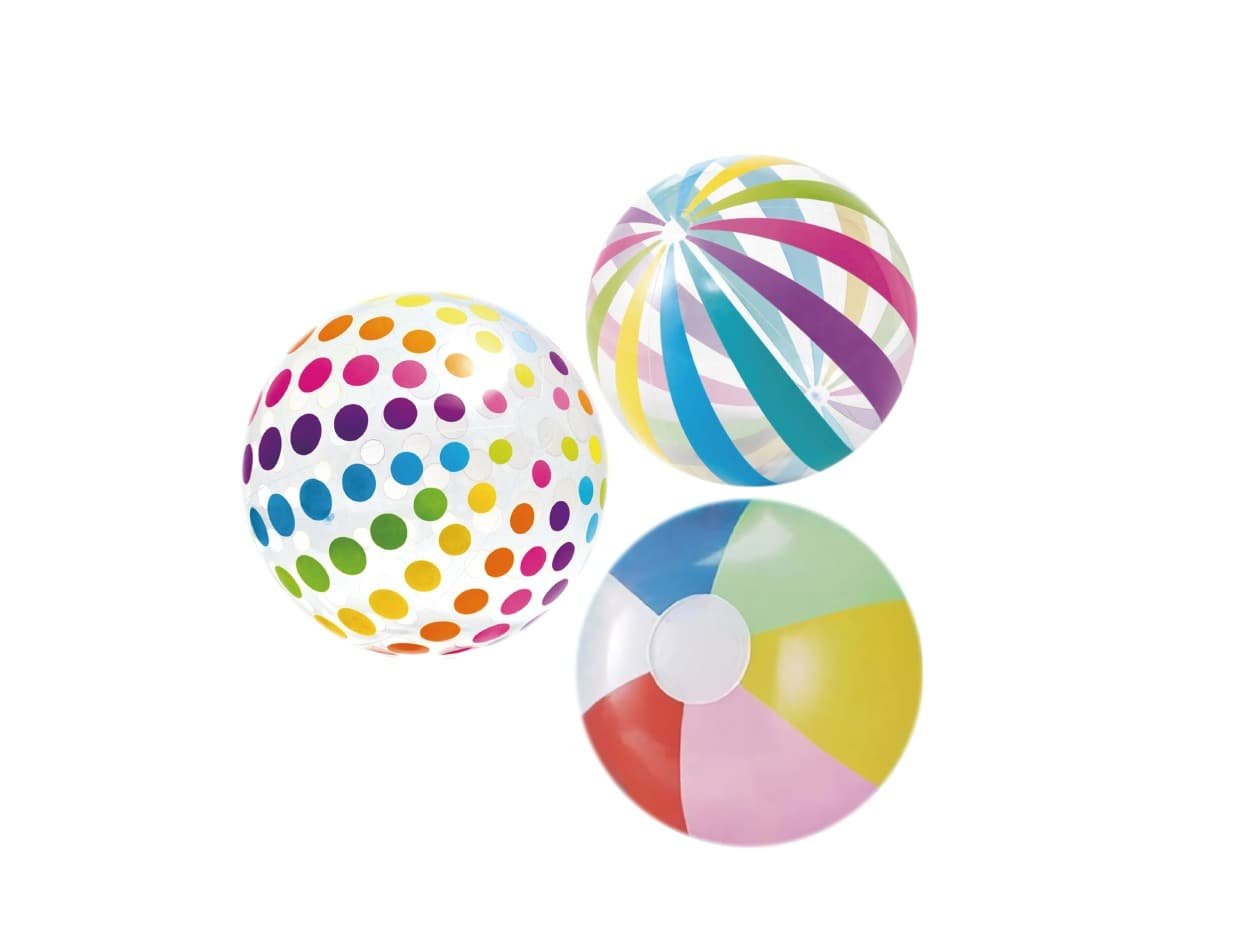
Product Classification Matrix for Korean Inflatable Products
The table below outlines common inflatable product types and their directional regulatory status in Korea. This matrix serves as an engineering and sourcing guide rather than a definitive legal ruling; final classifications must always be confirmed against the actual product specification and current Korean regulations.
| COMCO Product Type | Korea Direction | Typical KC Route / Status | Factory Inspection |
|---|---|---|---|
| Children’s Swim Ring / Tube | Children’s Water Play Equipment | Safety Certification | Yes |
| Water Wings / Arm Rings | Children’s Water Play Equipment | Safety Certification | Yes |
| Baby Walker Float / Swim Seat | Children’s Water Play Equipment | Safety Certification | Yes |
| Neck Float | Children’s Water Play Equipment | Safety Certification | Yes |
| Larger Inflatable Leisure Float | May fall under another regulated water-leisure category | Product-specific classification required | Depends on route |
| Ride-On / Novelty Pool Float | Classification depends on actual dimensions & target user | Do not pre-classify from product title alone | Depends on route |
| Beach Ball / Water Toy | Classification can vary (e.g. Toy vs other category) | Do not state universally as Toy | Depends on classification |
| Inflatable Children’s Pool | Product-specific classification must be confirmed | Do not publish a fixed route without confirmation | Depends on route |
*Note: This matrix provides directional guidance. Sourcing teams and brand managers should confirm product categorization with designated certification agencies based on final CAD drawings, sizing, and intended marketing claims.
Safety Certification and Safety Confirmation Are Not the Same
In discussions around Korean compliance, buyers often hear the terms Safety Certification (안전인증) and Safety Confirmation (안전확인) used interchangeably. Under Korean product safety legislation, they represent two fundamentally different compliance regimes with distinct manufacturer obligations:
| Parameter | Safety Certification (안전인증) | Safety Confirmation (안전확인) |
|---|---|---|
| Example Category Direction | Children’s Water Play Equipment | Ordinary Toy Category |
| Product Evaluation | Required under applicable statutory standards | Required under applicable statutory standards |
| Factory Inspection | Mandatory part of certification route | Not the same factory-audit route |
| KC Marking & Registration | Applicable according to route | Applicable according to route |
| Manufacturing Implications | Factory audits + ongoing QA consistency + product testing | Different compliance workflow and verification mechanism |
Safety Confirmation should never be misunderstood as “unregulated” or a mere informal self-declaration — it carries strict testing and reporting obligations. However, for products under Safety Certification, the manufacturer must be prepared for direct factory inspection as an integral gate before certification can be granted.
Certification Affects More Than the Product Sample
A common misconception in OEM manufacturing is treating KC compliance simply as “adding the KC logo to the box at the end of the project.” In reality, Korean market regulations impose comprehensive labeling, marking, and packaging requirements that must be integrated early into design artwork.
Depending on the applicable category, Korean compliance mandates:
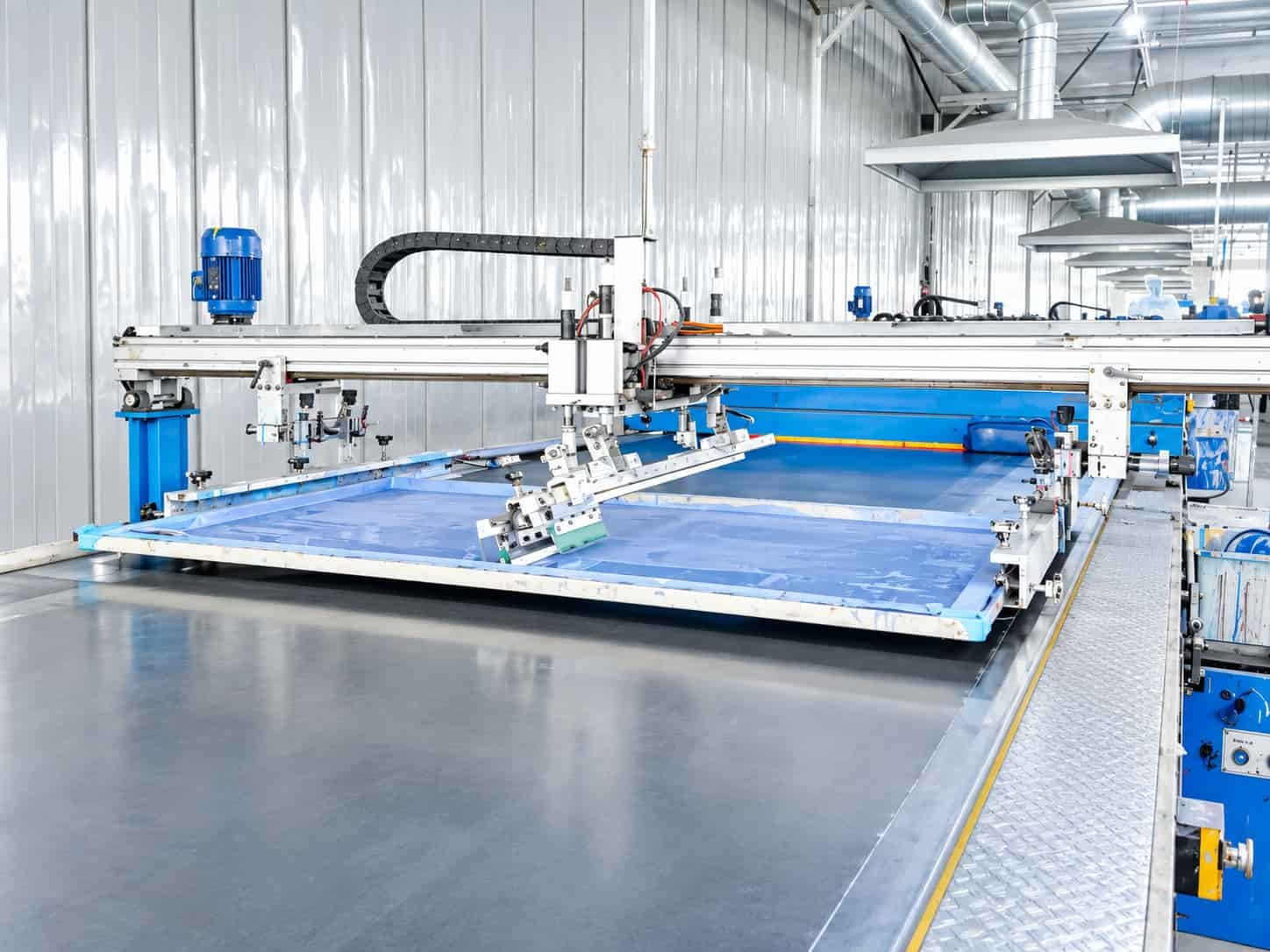
- Permanent Product Marking: Certain warning statements, age advisories, and model numbers may need to be screen-printed directly onto the inflatable product body using ink systems that withstand water and flexing.
- Certification Identification: Specific certification numbers or report identifiers issued by designated Korean bodies.
- Korean-Language Safety Warnings: Standardized Korean warning text, hazard pictograms, and inflation instructions on packaging and user manuals.
- Importer / Manufacturer Details: Exact business registration, importer details, and production dates formatted per statutory guidelines.
Because physical printing screens and packaging plates cannot be altered after production begins, all KC certification details and artwork files should be finalized and approved in coordination with the buyer and designated testing agency prior to mass printing.
From Product Development to KC-Ready Production
COMCO has practical experience supporting KC projects for the Korean market, including product certification and factory-inspection requirements. Rather than treating compliance as separate buyer homework, our engineering and manufacturing teams work alongside brands and importers to ensure that product samples, factory audits, and production runs move forward in alignment.
Review product dimensions, target user age, chamber design, and intended use against Korean regulatory directions.
Fabricate official test samples using intended production tooling, calibrated welding parameters, and certified raw PVC formulation.
Provide factory documentation, material declarations, and technical files to support the buyer’s application with designated Korean certification bodies.
Support on-site factory inspections for applicable Safety Certification programs, ensuring QA records, equipment calibration, and production SOPs are audit-ready.
Implement confirmed KC certification marks, Korean warning statements, and model information directly into printing plates before production.
Execute mass production adhering to approved specifications, with 100% 24-hour inflation holding observation for every applicable unit.
COMCO Manufacturing Capabilities & Quality Control
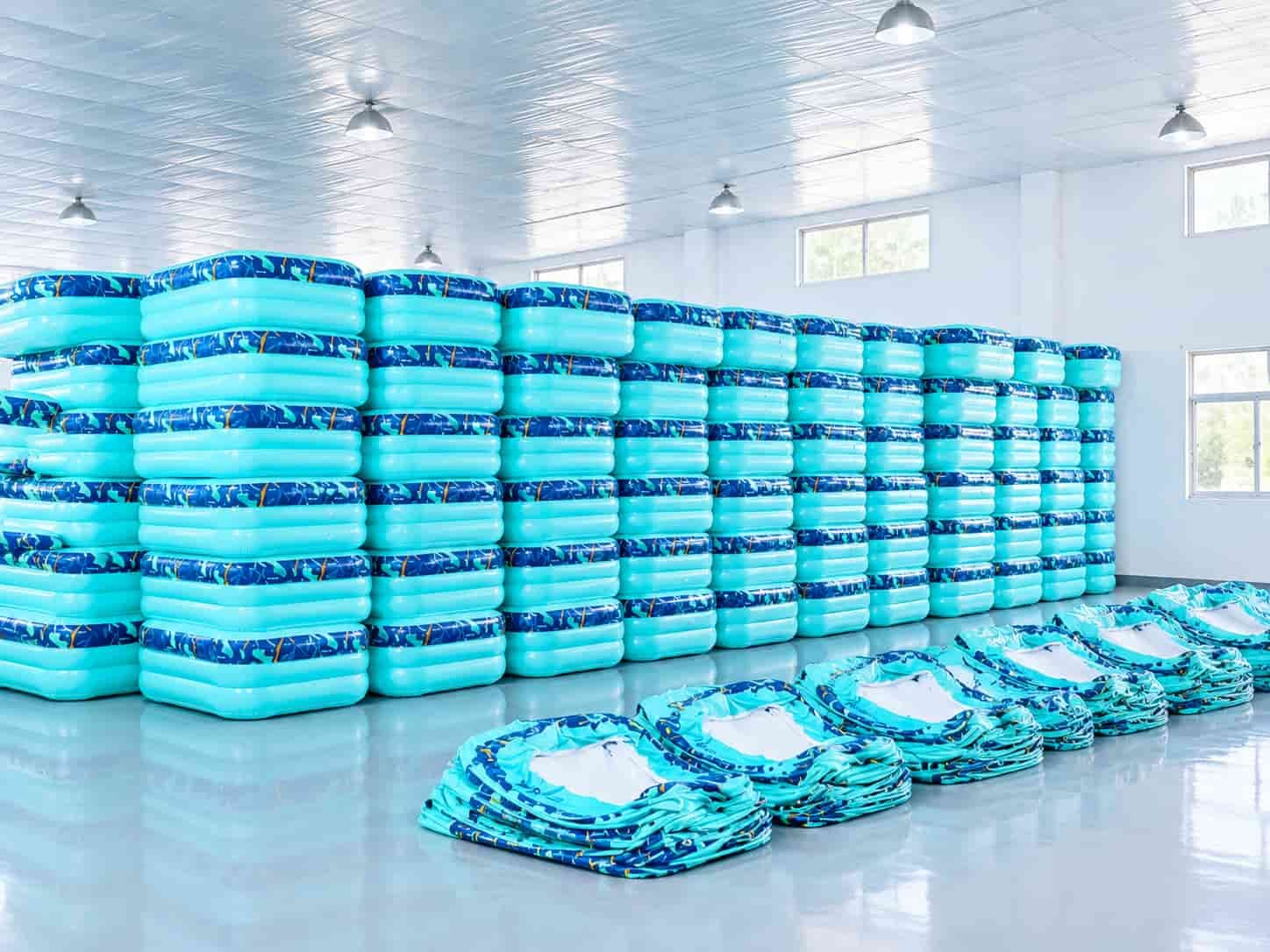
As an OEM/ODM manufacturer specializing in high-frequency welded inflatable and outdoor leisure products, COMCO provides end-to-end production support designed to meet international compliance frameworks:
- In-House PVC Film Calendering: Dedicated extrusion and calendering lines allowing precise control over polymer formulation, plasticizer compliance, cold-crack resistance, and chemical safety.
- High-Frequency Welding Infrastructure: Advanced HF welding lines with precision tooling to achieve robust seam tensile strength and uniform weld thickness.
- Internal Physical & Chemical Labs: In-house testing facilities for seam shear strength, accessory pull tests, rapid material aging, and cycle inflation testing.
- 100% 24-Hour Air-Hold Observation: Full inflation testing for 24 hours on applicable inflatable items to identify slow micro-leaks before packaging.
- Multinational Compliance Experience: Extensive background supporting third-party laboratory testing and factory audits across U.S., European, Australian, and South Korean regulatory schemes.
For more detailed insights into how our quality infrastructure operates across international markets, explore our COMCO Quality Overview and our guide on What Happens Before Mass Production.
Frequently Asked Questions
Does every inflatable water product need the same KC certification?
No. The applicable Korean compliance route depends entirely on product classification. Children’s water-play products, toys, and general water-leisure products are governed under distinct safety categories with different conformity procedures.
Do children’s swim rings require a KC factory inspection?
Yes. Products classified as Children’s Water Play Equipment (어린이용 물놀이기구) fall under Korea’s Safety Certification (안전인증) route, which mandates both product testing/inspection and an on-site factory inspection.
Is KC certification only a product test?
No. For products under Safety Certification, the process requires both product inspection and manufacturing factory inspection. Other categories (such as Safety Confirmation) follow different procedures that do not include the same factory-audit route.
Does one factory KC audit cover every inflatable product?
Not automatically. Certification is linked to the specific product model and manufacturing facility. When introducing new models or different product types, the requirements must be reviewed against the applicable classification.
Can COMCO issue KC certification directly?
No. KC certification can only be issued by authorized Korean certification bodies designated under Korean law. As a manufacturer, COMCO provides product development, sample fabrication, technical documentation, factory audit readiness, and production-line implementation for applicable projects.
Developing an Inflatable Water Product for Korea?
Share your product concept, reference design, or specifications with COMCO. Our engineering and compliance teams can support product development, provide production-representative samples, and coordinate the manufacturing side of the applicable Korean compliance process before mass production begins.
Resources
Related articles
Guides & Insights · October 4, 2026
Japan Safety Requirements for Inflatable Water Products
Learn how Japanese product classification, ST toy safety standards and product construction can affect swim rings, pool floats, water toys and other inflatable water…
Guides & Insights · October 4, 2026
U.S. vs. Canada Compliance for Inflatable Water Toys
Understand why inflatable water toys sold in the U.S. and Canada may follow different regulatory frameworks, including ASTM F963, CCPSA and Canadian Toys Regulations.
Guides & Insights · October 3, 2026
EN 71-8, EN 16927 or EN 16582: Which Standard Applies to a Pool?
Understand how European pool classification affects EN 71-8, EN 16927 and EN 16582 testing routes for paddling pools, mini-pools and domestic above-ground pools.