
Guides & Insights
U.S. vs. Canada Compliance for Inflatable Water Toys
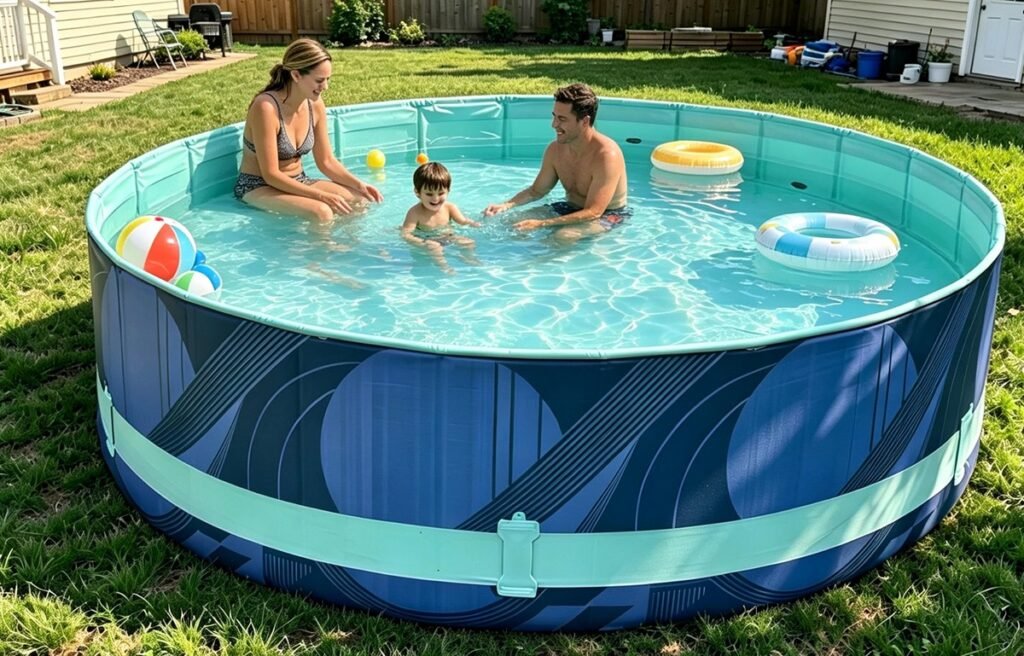
Why the same pool float, swim ring or water toy may follow different regulatory requirements in the U.S. and Canada.
A pool float, swim ring or pair of water wings may look identical whether it is sold in the United States or Canada. The compliance route, however, is not necessarily the same.
In the United States, children’s toys are commonly assessed under the U.S. consumer-product safety framework, including ASTM F963 and other applicable federal requirements. In Canada, toys are regulated under Canada’s own framework, including the Canada Consumer Product Safety Act (CCPSA), the Toys Regulations, and other applicable Canadian requirements.
This means a test program prepared for the U.S. market should not automatically be treated as the Canadian compliance route.
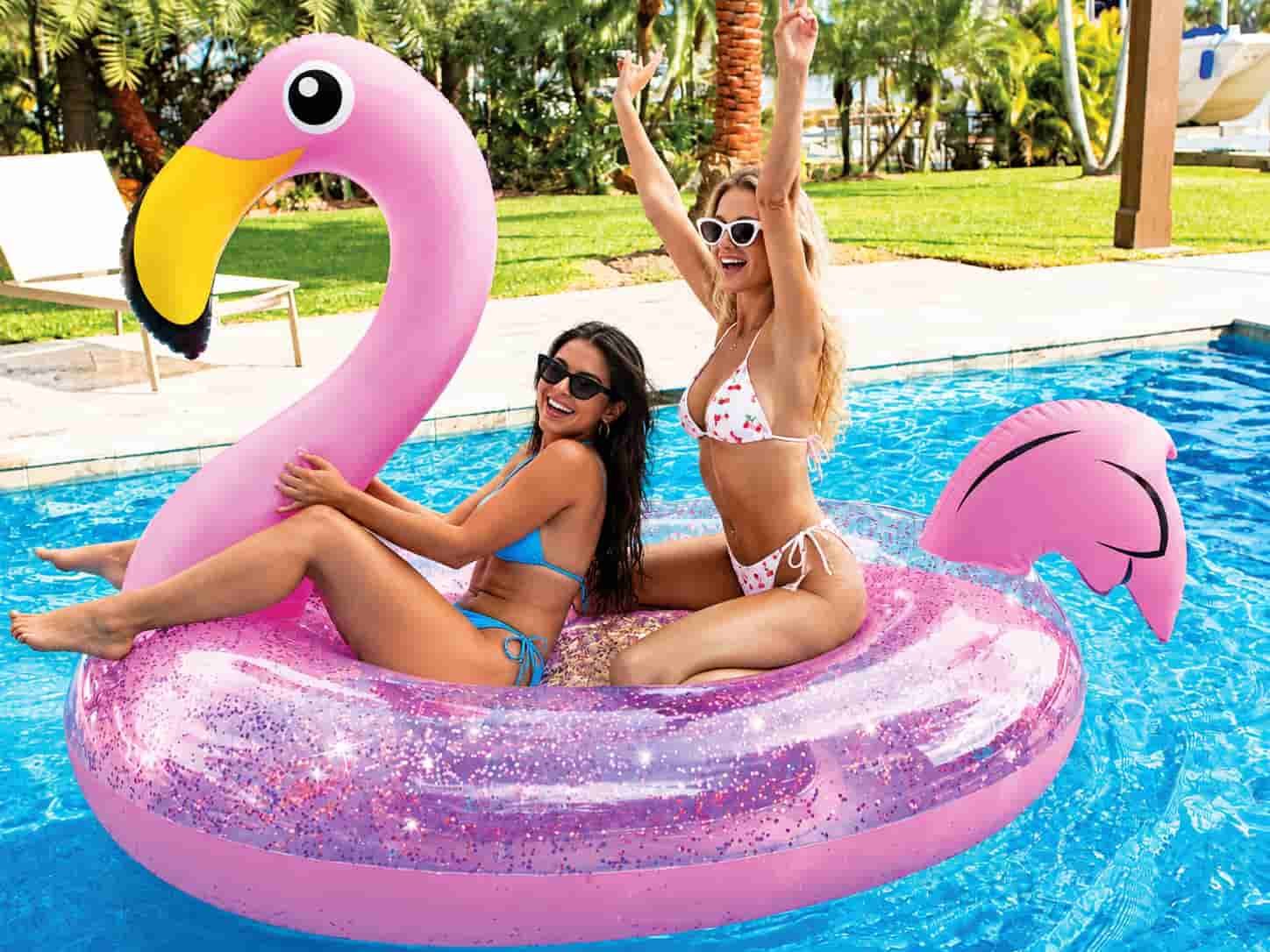
Same product. Different regulatory framework.
The Basic Difference
The two markets may share similar product designs and may sometimes use overlapping test methods or customer protocols, but their legal frameworks are different.
A standard appearing in a laboratory report should therefore not automatically be interpreted as the national legal framework for that market.
What Does This Mean for Inflatable Water Toys?
Health Canada identifies a range of products as water toys, including examples such as water wings, party islands, pool noodles, inflatable loungers, hammocks, rings and other inflatable shapes.
For children’s products intended for play, the Canadian toy framework therefore becomes an important part of the compliance assessment.
For COMCO products, this may include products such as:
- Inflatable pool floats
- Novelty ride-ons
- Recreational swim rings
- Water wings / arm bands
- Pool noodles and similar water-play products
Health Canada also emphasizes that water toys are not safety equipment and should not be represented as products that prevent drowning.
Official Reference: Health Canada — Safety Advice for Water Toys
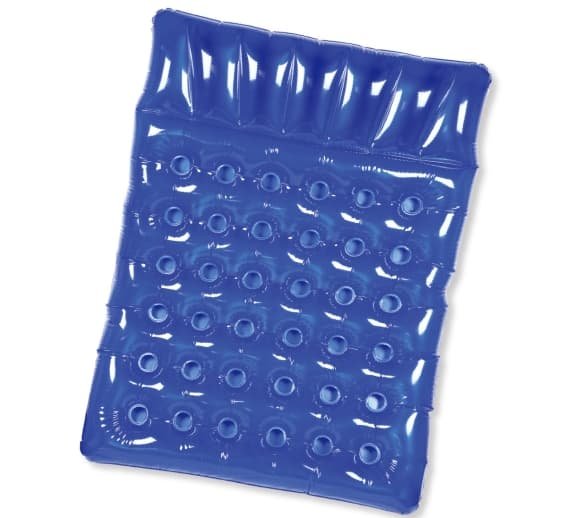
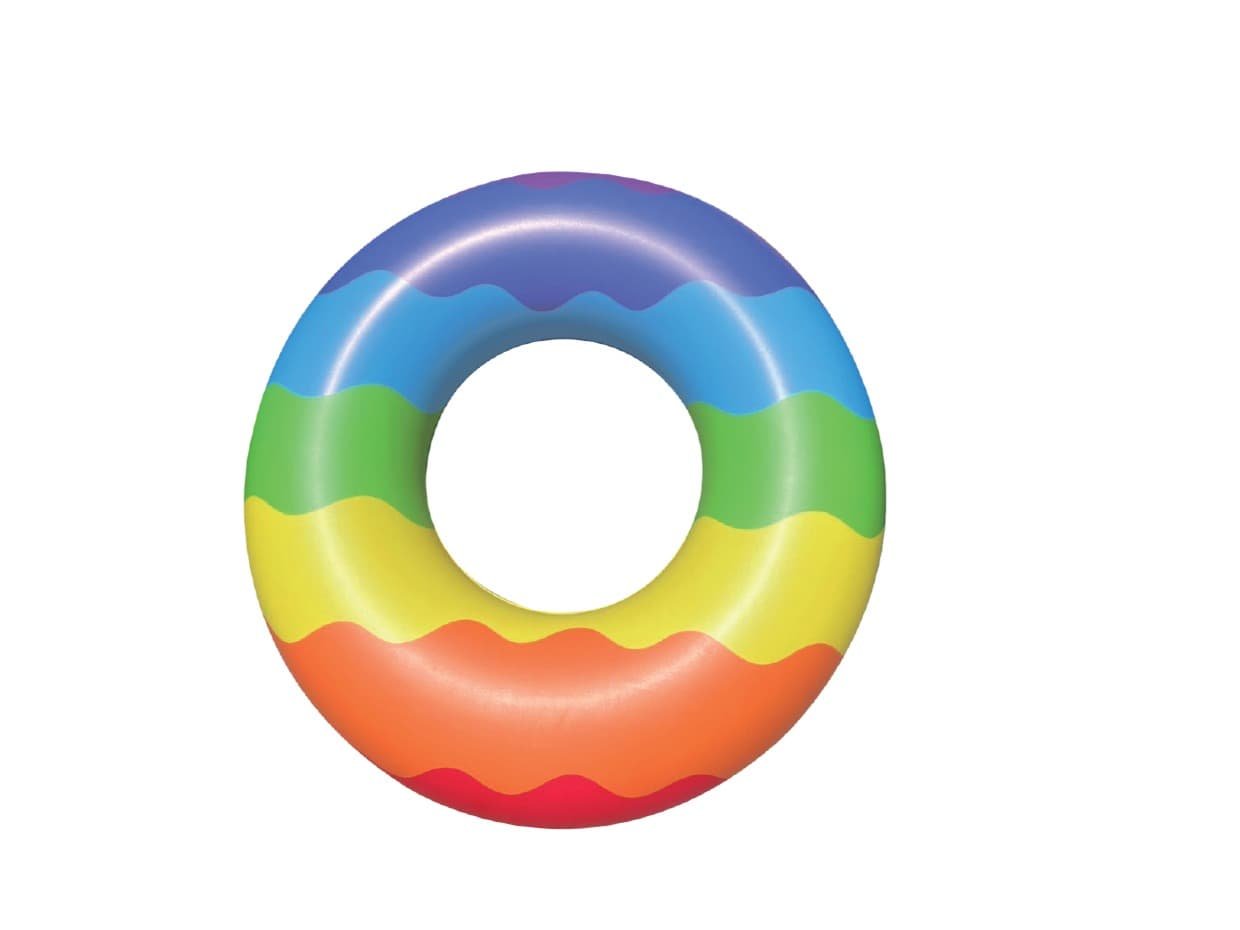
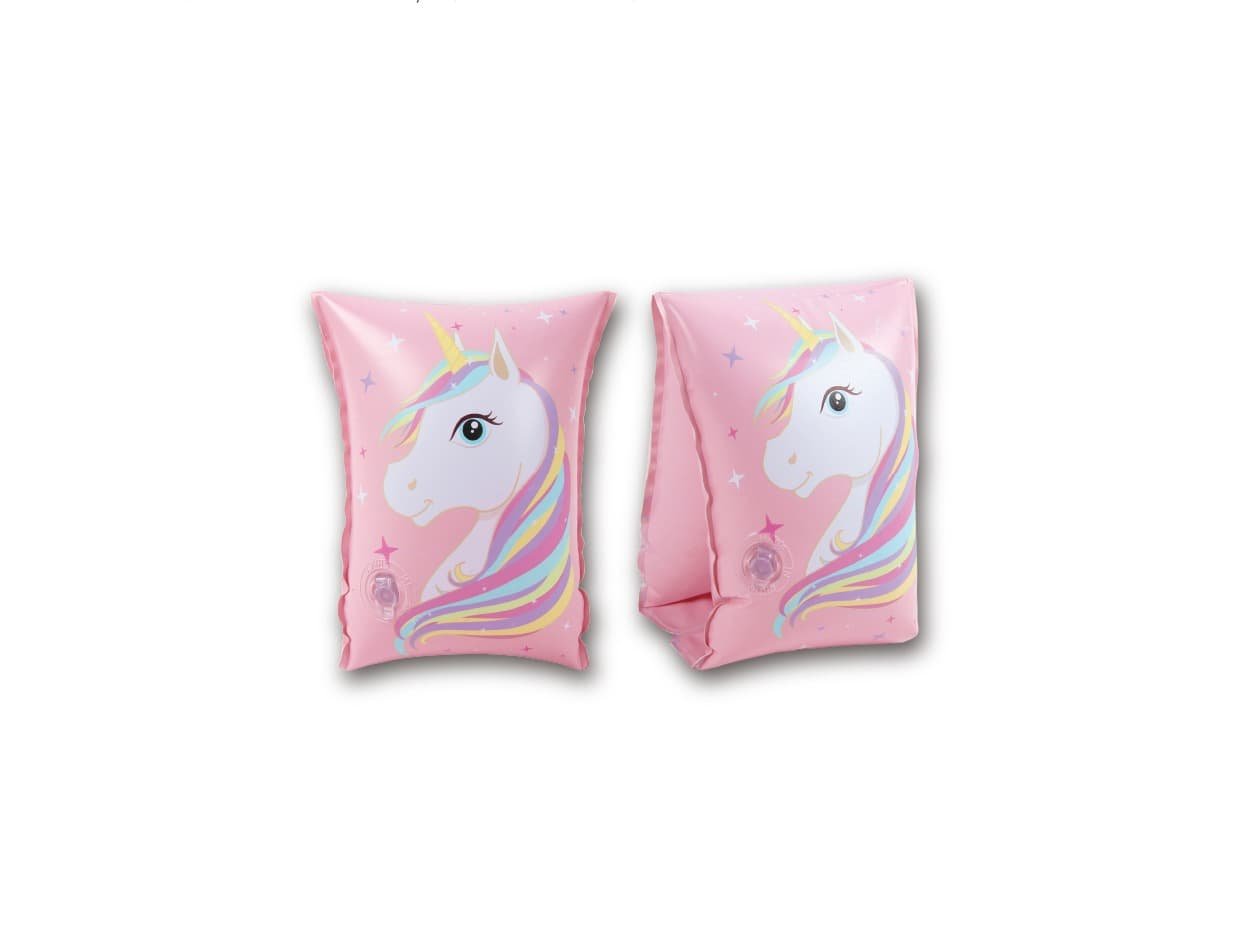
Similar products can enter different compliance frameworks depending on the target market.
Same Product. Different Compliance Route.
| Product Example | United States | Canada |
|---|---|---|
| Pool Float / Ride-On | ASTM F963 and applicable U.S. requirements, depending on classification | Canadian Toys Regulations and other applicable Canadian requirements, depending on classification |
| Recreational Swim Ring | U.S. toy / aquatic-use compliance route as applicable | Canadian water-toy / toy framework as applicable |
| Water Wings / Arm Bands | U.S. toy / aquatic-use compliance route as applicable | Health Canada identifies water wings as water toys; applicable Canadian toy requirements should be assessed |
Do not imply that every product with the same commercial name automatically follows the same test program.
Product classification, intended use, age grading, design and market requirements can affect the final testing route.
Canadian Requirements Are Not Simply U.S. Requirements with a Different Label
Two practical differences are especially relevant to inflatable PVC products.
Canadian Phthalate Requirements
Canada has its own Phthalates Regulations under the CCPSA framework.
For applicable soft-vinyl children’s toys and child-care articles, Canadian phthalate requirements should be assessed according to the Canadian regulations rather than described simply as “CPSIA” or “6P Free.”
Do not present U.S. CPSIA terminology as the Canadian legal basis.
Official Reference: Health Canada — Phthalates
English and French Regulatory Warnings
Where Canada’s Toys Regulations require a written statement or warning, the required information must be provided in both English and French.
This does not mean that every piece of packaging text for every toy is automatically subject to the same bilingual warning requirement.
The applicable labeling requirements depend on the product and the regulatory provisions involved.
Official Reference: Canada — Toys Regulations (SOR/2011-17)
How COMCO Handles U.S. and Canadian Projects
COMCO does not assume that one market’s test route can automatically be copied into another.
A typical project review follows this logic:
COMCO works with third-party laboratories including Intertek (ITS), SGS, TÜV and Bureau Veritas (BV) to support testing required for specific customer and market programs.
The final testing scope depends on the actual product, intended use, age grading, target market and customer requirements.
Key Takeaway
Same product does not mean same regulatory framework.
A pool float or swim ring may be sold in both the United States and Canada, but the compliance basis should be reviewed for each target market.
For U.S. projects, ASTM F963 and applicable U.S. federal requirements may form part of the testing route.
For Canadian projects, the starting point is Canada’s own regulatory framework, including the CCPSA, Toys Regulations and other applicable Canadian requirements. Sourcing teams can also review our European compliance guide and Australian compliance guide for broader international perspective.
Frequently Asked Questions
Are U.S. and Canadian toy testing requirements the same?
No. The two markets have different legal and regulatory frameworks. A testing program used for the U.S. should not automatically be treated as the Canadian compliance route.
Does Canada require ASTM F963 for all inflatable water toys?
ASTM F963 is a central U.S. toy-safety standard. Canadian toys are regulated under Canada’s own legal framework, including the CCPSA and Toys Regulations. A customer or laboratory protocol may reference additional standards or test methods, but that does not make ASTM F963 the Canadian legal framework.
Are water wings and swim rings considered safety equipment in Canada?
Health Canada identifies water wings and rings among water-toy examples and emphasizes that water toys are not safety equipment and do not prevent drowning. The actual compliance route should still be assessed according to the product’s design, intended use, age grading and claims.
Developing an Inflatable Water Product for the U.S. or Canada?
Share your product concept, target market, intended age range and artwork with COMCO. Our team can review the product requirements and coordinate the appropriate development and third-party testing process for the project.
Resources
Related articles
Guides & Insights · October 4, 2026
Japan Safety Requirements for Inflatable Water Products
Learn how Japanese product classification, ST toy safety standards and product construction can affect swim rings, pool floats, water toys and other inflatable water…
Guides & Insights · October 4, 2026
KC Certification for Inflatable Water Products in Korea
Learn how KC requirements for inflatable water products in Korea can differ by product classification, including Safety Certification, product testing, factory inspection and Safety…
Guides & Insights · October 3, 2026
EN 71-8, EN 16927 or EN 16582: Which Standard Applies to a Pool?
Understand how European pool classification affects EN 71-8, EN 16927 and EN 16582 testing routes for paddling pools, mini-pools and domestic above-ground pools.