
采购指南与行业洞察
From Sketch to Sample: How an OEM Inflatable Product Is Developed
What happens between your first product concept and an approved sample?
A product does not need to arrive as a finished technical drawing.
A sketch, drawing, reference product, rendering or clearly defined concept can provide a practical starting point. From there, the product needs to be refined into a structure that can actually be sampled, tested and manufactured.
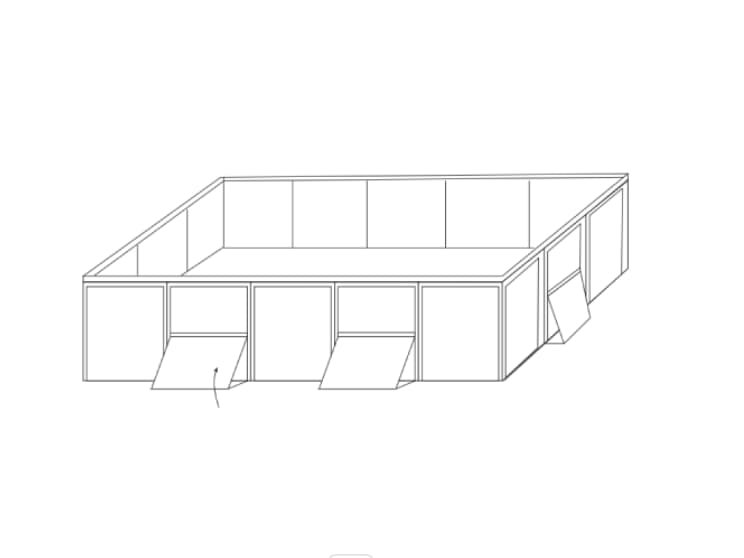
Initial Reference & Idea
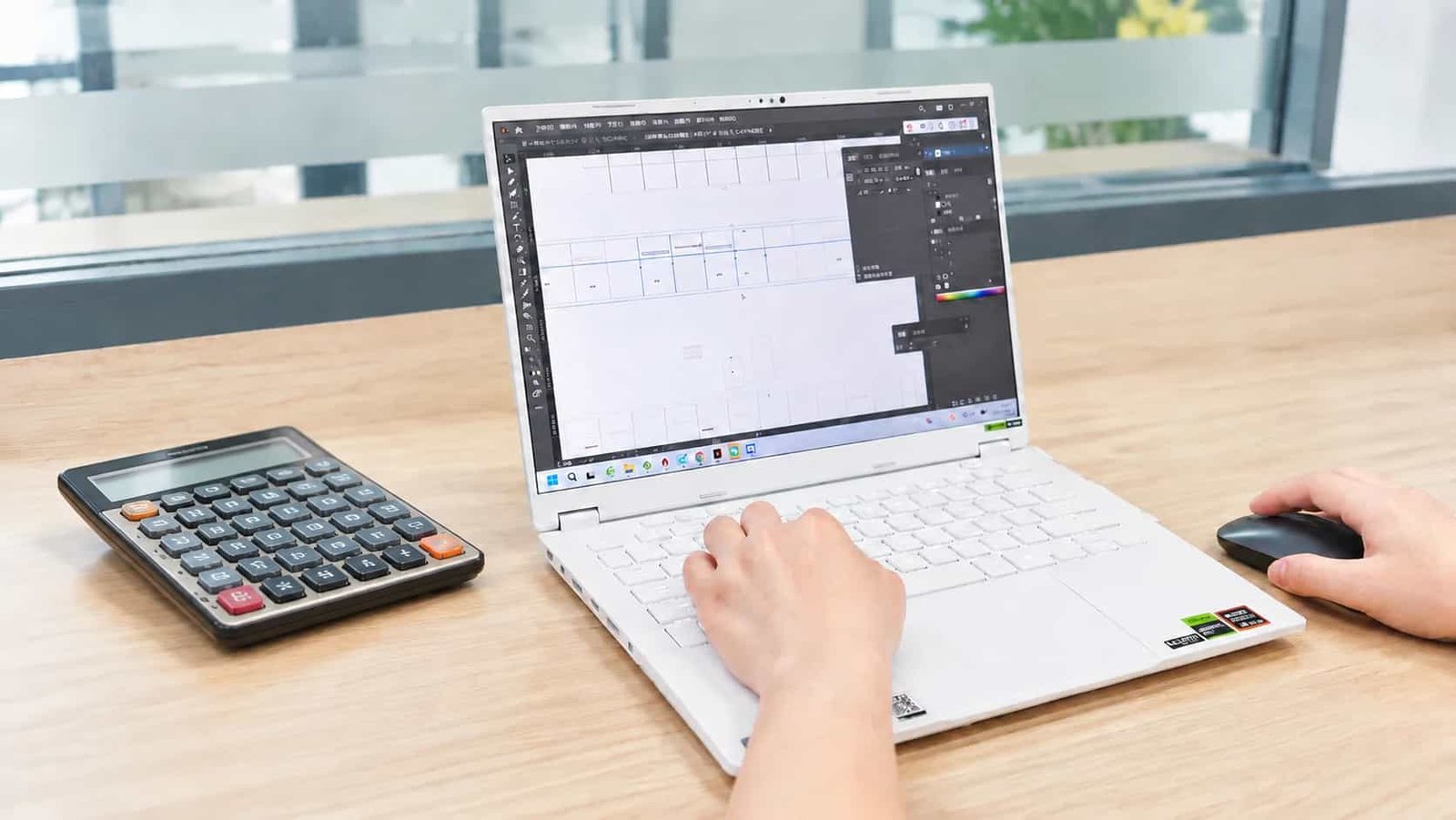
Refinement for Production
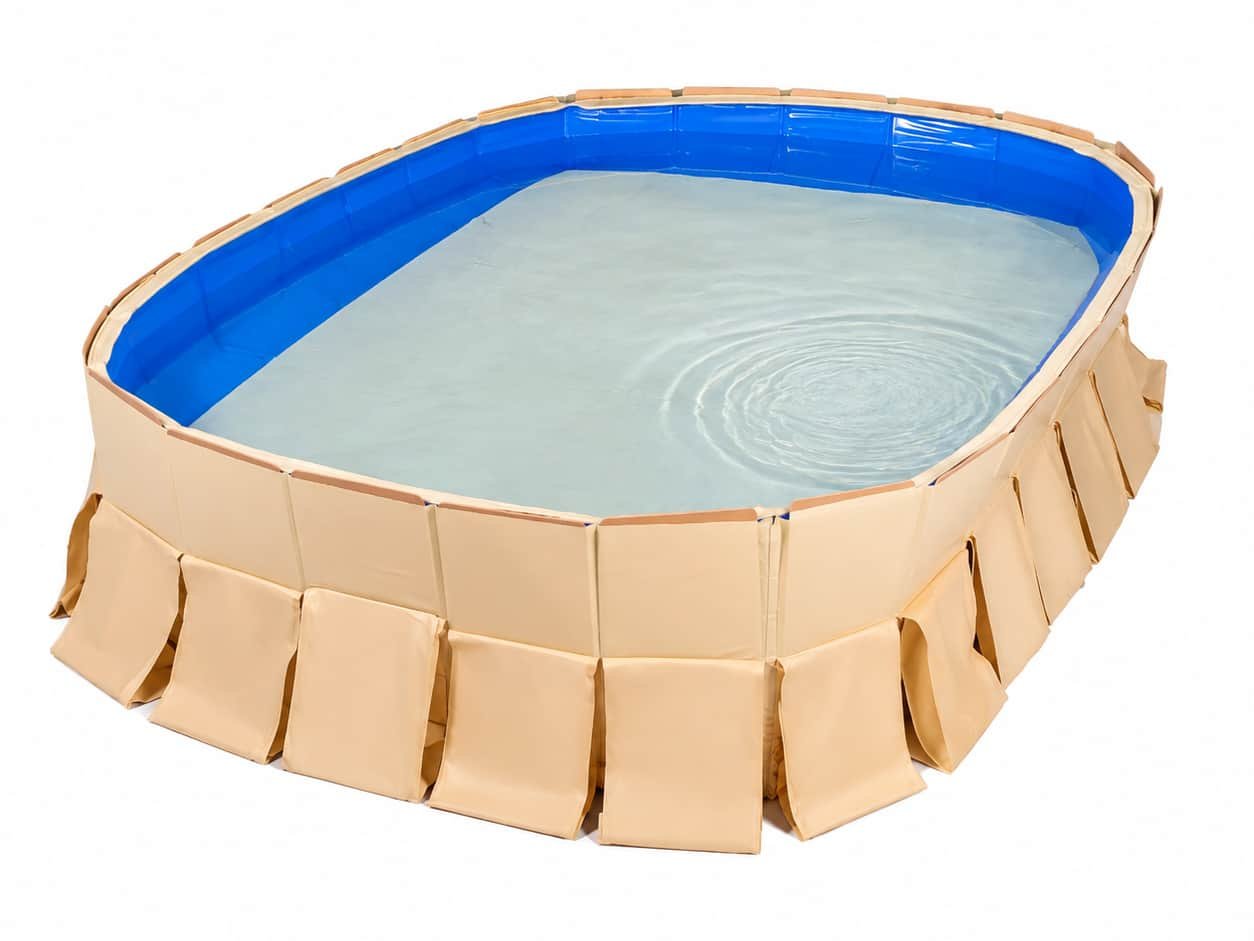
First Hand Prototype
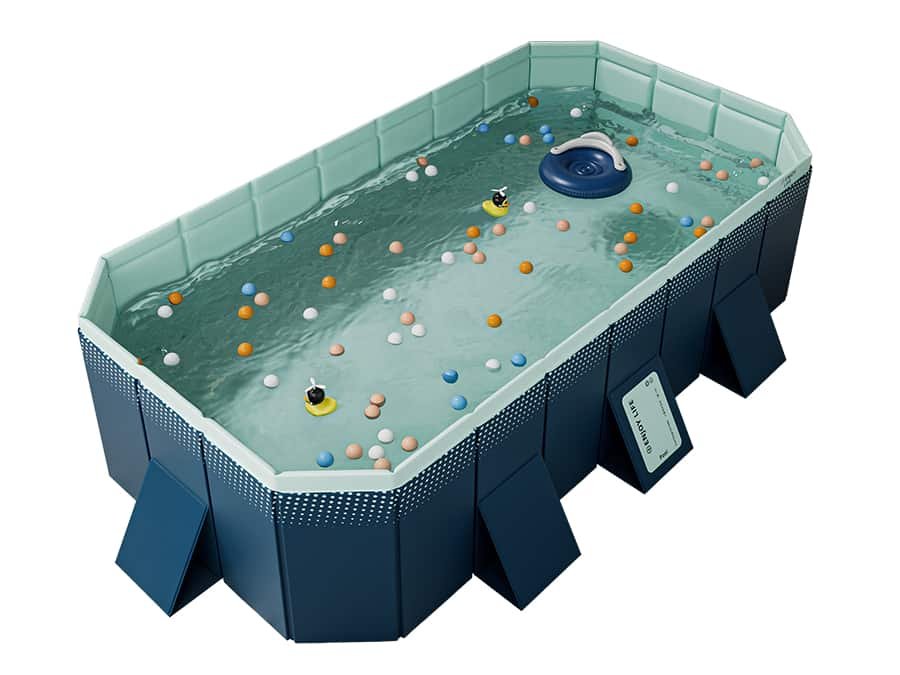
Confirmed for Manufacturing
01. Start with a Clear Direction
The clearer the intended product direction, the more efficiently development can move forward.
Useful starting information may include:
Target size · Intended use · Reference image or sample · Target market · Expected quantity
For more complex products, a rough sketch or basic structural direction is especially helpful.
02. Turn the Concept into a Buildable Structure
Before sampling, the concept needs to work as a physical product.
Depending on the project, the development team may review and refine:
Dimensions · PVC thickness · Inflatable structure · Seam position · Valve position · Printing · Accessories · Manufacturing method
The goal is not only to make the product look right.
A good product concept also needs to be practical to manufacture repeatedly. Learn more about our technical engineering support on the COMCO Product Development page.
03. Build the First Sample
Once the structure and key specifications are defined, the project moves into sampling.
COMCO combines design support with experienced hand sampling to turn the agreed direction into a physical prototype.
Simple inflatable samples can often be completed quickly, while more complex structures may require additional time for tooling, construction and adjustment.
*Timing depends on product complexity, artwork, tooling and material readiness.
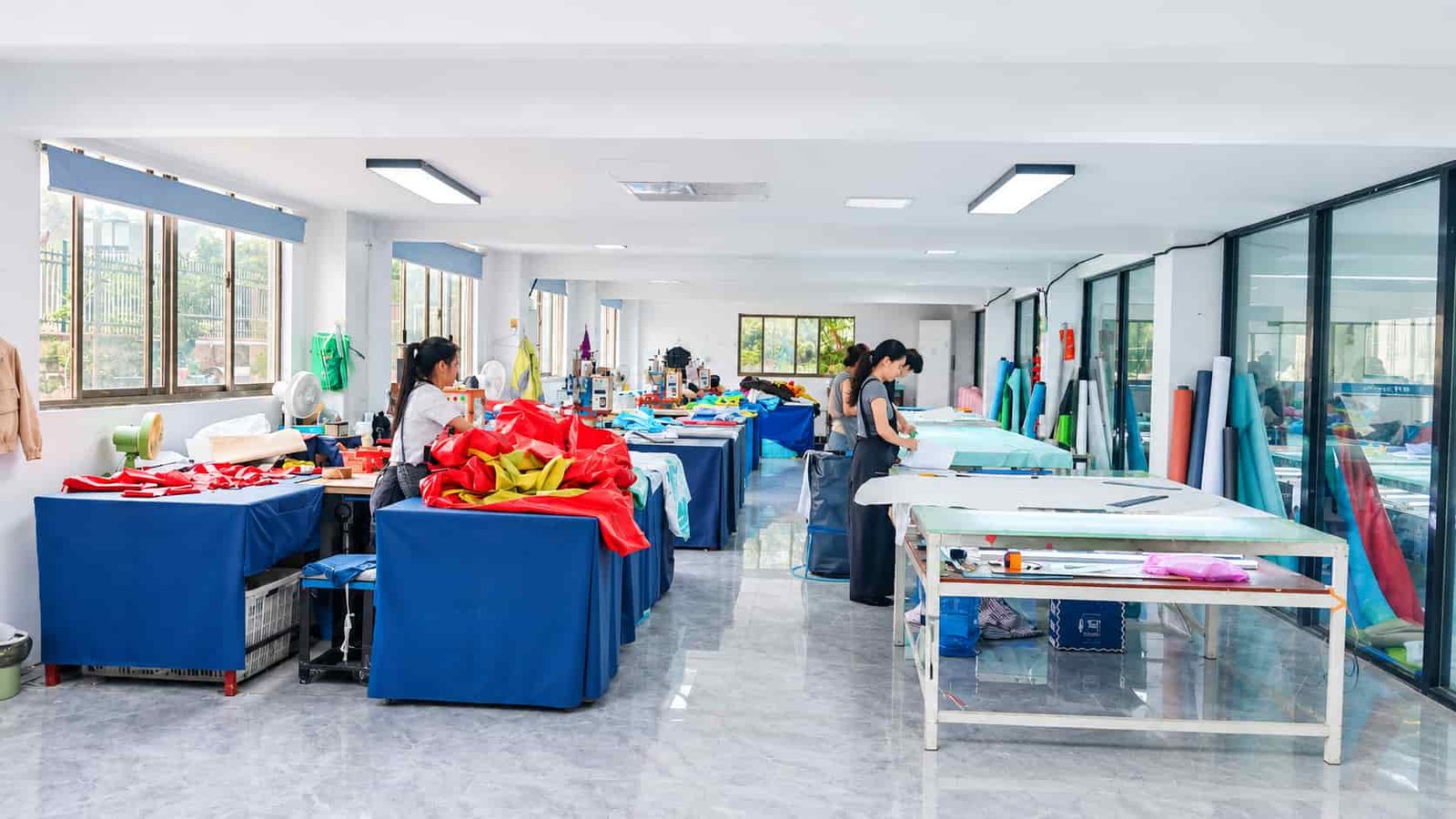
04. Review, Adjust, Repeat
The first sample is not always the final sample.
Once the prototype can be seen, touched and used, details that were difficult to judge on a drawing become much clearer.
The development cycle may include:
Check → Feedback → Adjust → Re-sample → Confirm
Changes may involve size, shape, structure, artwork, accessories or user experience.
This iteration is a normal part of turning a concept into a production-ready product.
See a Real Development Story →
05. From Approved Sample to Production
Once the sample, specification and key requirements are confirmed, the project can move into pre-production validation and production planning.
At this stage, the focus shifts from “Can we make the product?” to “Can we produce it repeatedly and consistently?”
The next steps depend on the product, market and customer requirements.
Have a Product You Want to Develop?
Send us your sketch, reference product, drawing or defined product concept. Our team can review the product direction and discuss the next development steps.