
合规与检测
Australian Compliance for Inflatable Water Products: ISO 8124, AS/NZS 1900 & Product Classification
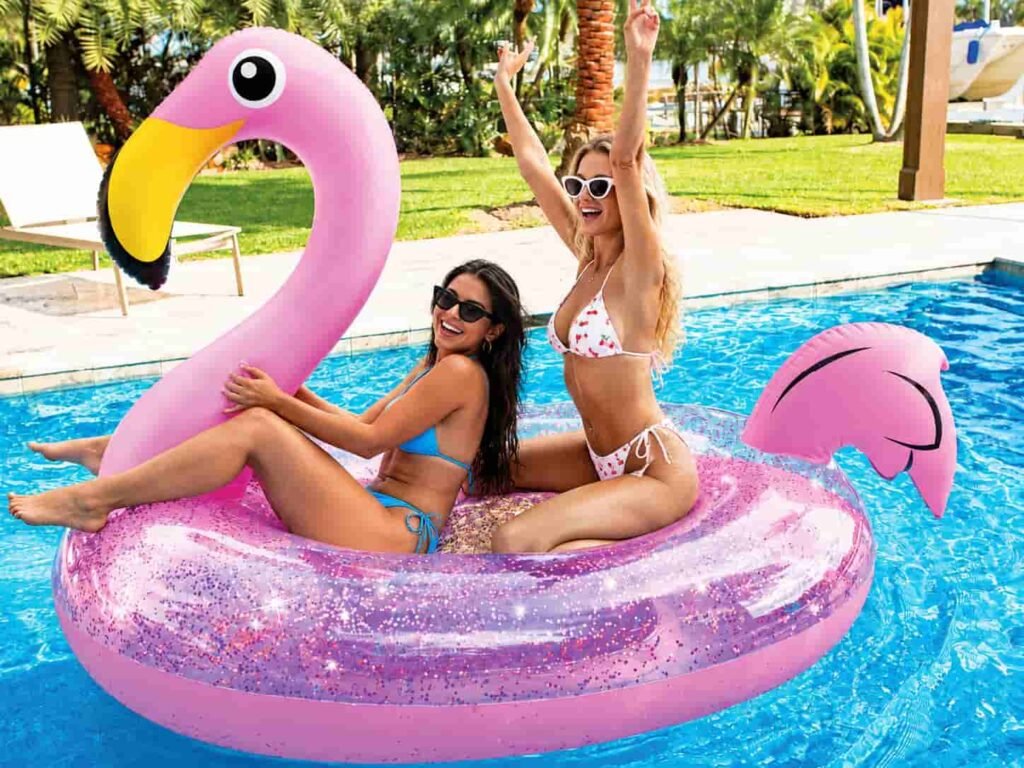
How product classification changes the compliance route for aquatic toys, swimming and flotation aids, and other inflatable water products in Australia.
Inflatable pool floats, swim rings, arm bands, and baby swim seats often share similar PVC materials and inflatable construction methods. In the Australian market, however, physical resemblance does not determine the regulatory pathway. The applicable testing route depends on how the product is designed, configured, and intended to be used.
In Australia, aquatic toys and swimming and flotation aids are governed by separate mandatory safety standards under the Australian Consumer Law, administered by the Australian Competition and Consumer Commission (ACCC). Furthermore, certain familiar water products are explicitly excluded from the aquatic toy mandatory standard altogether.
Why Similar Inflatable Products Can Follow Different Australian Routes
Two inflatable products may both be made from PVC, designed for children, and used around a swimming pool, yet still fall into different regulatory categories.
Material ≠ Classification · Inflatable Construction ≠ Classification · Commercial Product Name ≠ Classification
In practical product development, determining the applicable Australian compliance pathway relies on an integrated evaluation:
Intended Use + Product Design + User / Age + Product Claims → Classification Direction
Establishing classification early in development helps align applicable warning labels, construction details, and third-party laboratory testing routes in production and artwork.
Aquatic Toys: Where ISO 8124 Fits
Australia’s mandatory standard — the Consumer Goods (Aquatic Toys) Safety Standard 2026 — applies to relevant inflatable and non-inflatable products designed or clearly intended for use in shallow water by children under 14 years of age for play.
Official examples recognized under this framework include:
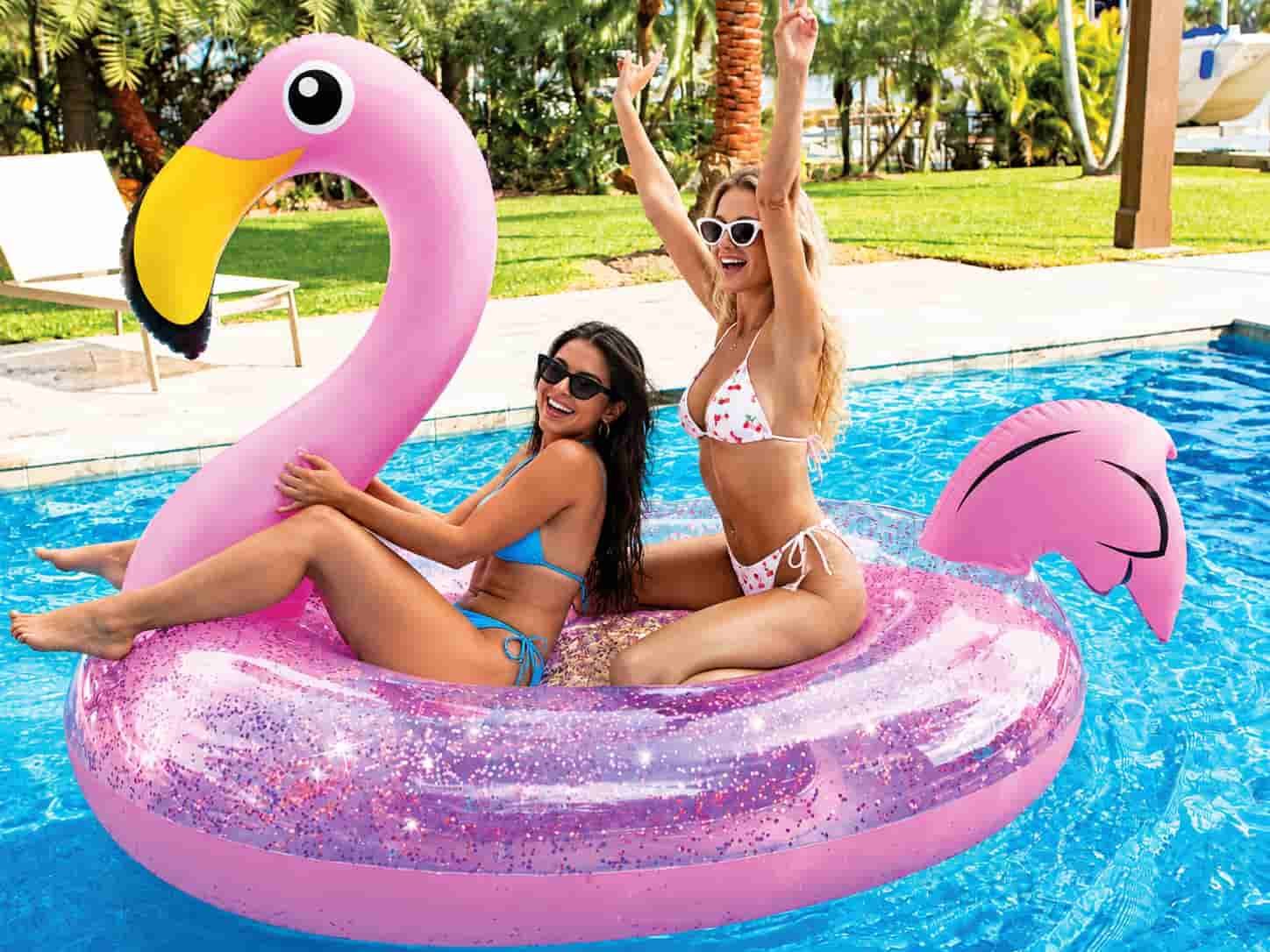
- Inflatable novelty floats and shapes
- Inflatable toy boats intended for shallow water
- Unattached complete or partial recreational rings
For products classified as aquatic toys, specified editions of ISO 8124-1 and AS/NZS ISO 8124.1 form part of the compliance options recognized under the Australian mandatory standard.
Swimming & Flotation Aids: Where AS/NZS 1900 Fits
Swimming and flotation aids are designed to assist children in gaining water confidence and provide buoyancy during water familiarisation or swimming tuition.
Official product examples covered under this framework include:
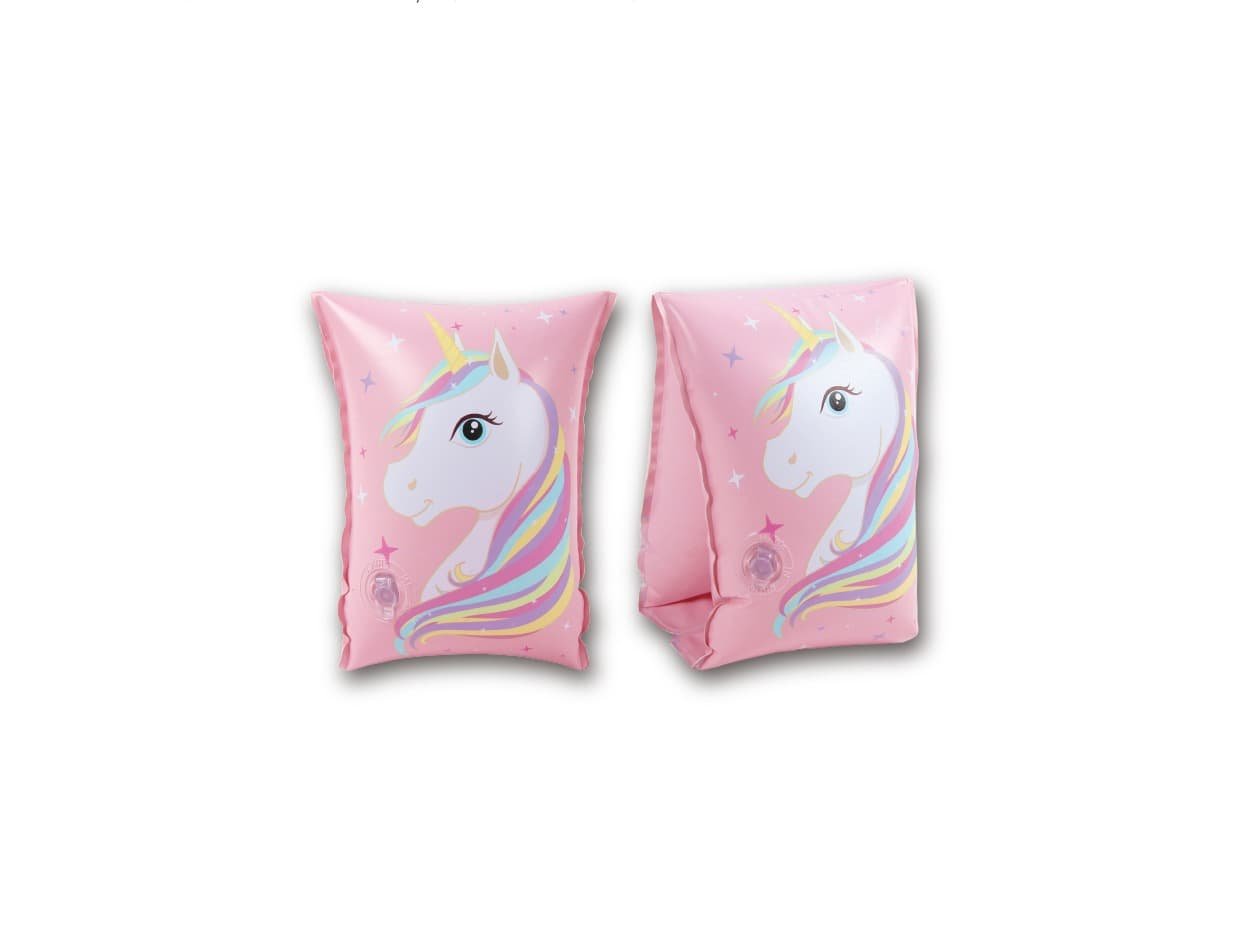
- Arm bands or arm cuffs
- Attached rings
- Swim seats
- Swimming aid vests
These products are governed by the Consumer Goods (Swimming and Flotation Aids) Safety Standard 2017, which sets mandatory design, construction, performance, testing, and marking requirements based on:
AS/NZS 1900:2014 — Flotation aids for water familiarisation and swimming tuition
The intended function and product configuration are therefore important in determining whether the product is assessed as a swimming and flotation aid, an aquatic toy, or under another applicable product route.
Feature Comparison: Why Two “Swim Rings” Follow Different Routes
Same commercial name. Different intended use. Different compliance route.
A commercial description such as “swim ring” is not enough to determine the Australian testing route. The design configuration and primary intended function guide the assessment.
Unattached Recreational Ring
Primary Function: Shallow-water play and recreation
Configuration: Unattached ring design
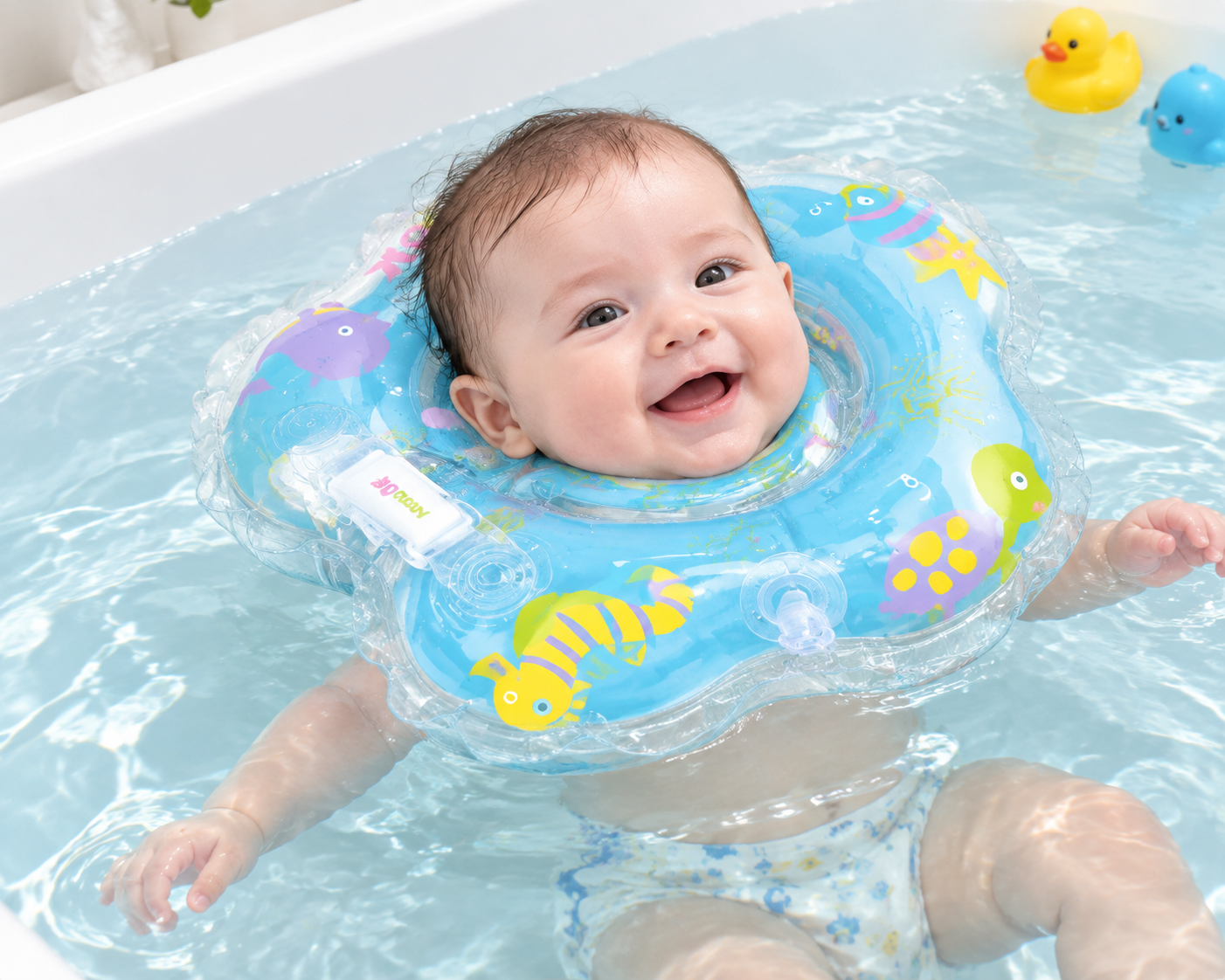
Attached Swimming-Aid Ring
Primary Function: Water familiarisation, swimming tuition, or flotation assistance
Configuration: Attached / body-worn configuration
Where Do Inflatable Baby Swim Seats Fit?
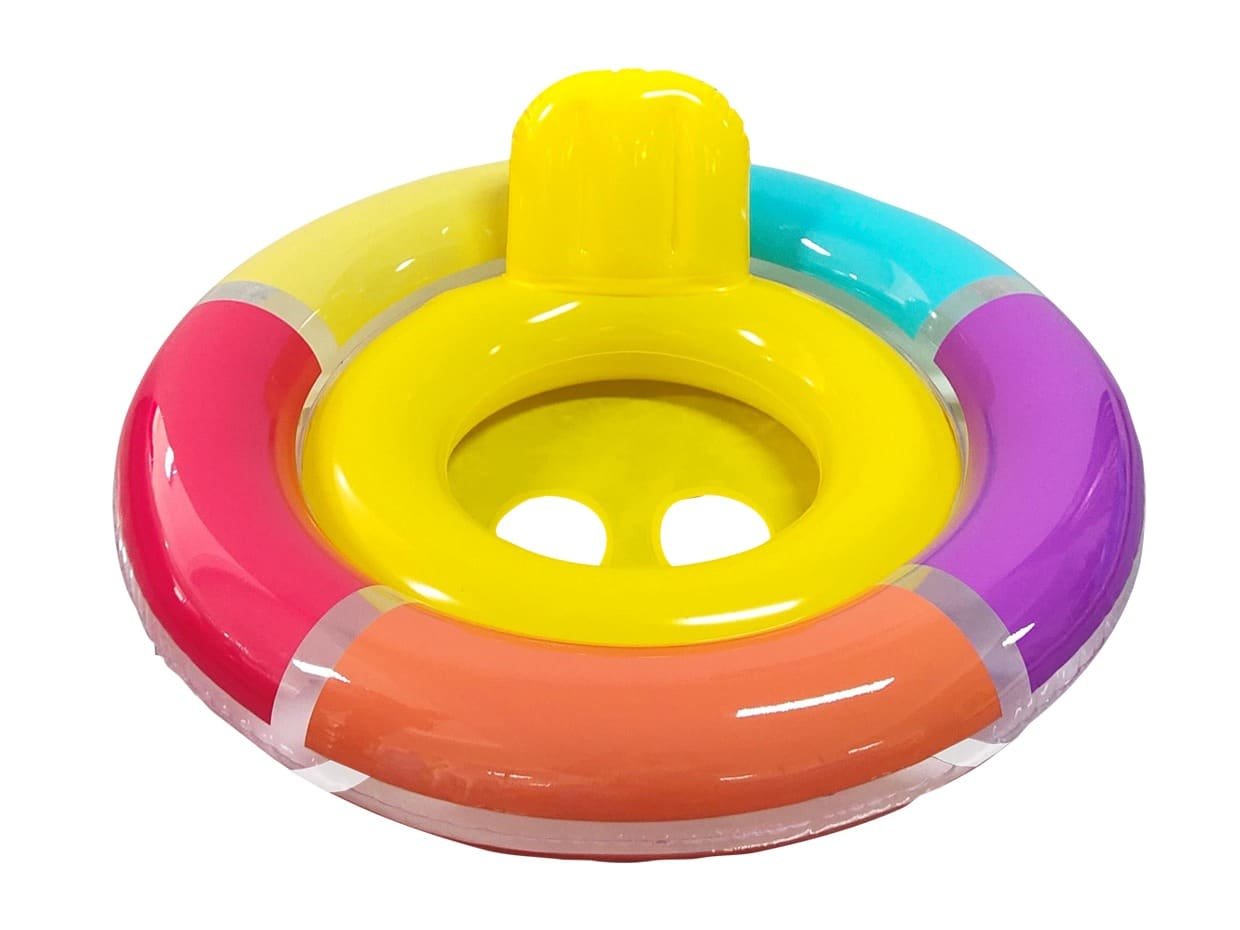
Inflatable Baby Swim Seat
An inflatable baby swim seat may share similar materials and construction with novelty aquatic toys. However, when configured with body support or leg-holes to provide water familiarisation or swimming assistance, it can fall within Australia’s swimming and flotation aid framework.
Note: Similar swimming-learning products in Europe may be assessed under the EN 13138 framework.
A commercial product name alone does not automatically assign a product to a route without reviewing its specific design, intended function, and claims.
“Used in Water” Does Not Automatically Mean “Aquatic Toy”
Australia’s Aquatic Toys Mandatory Standard explicitly excludes several water-related products:
- Beach balls
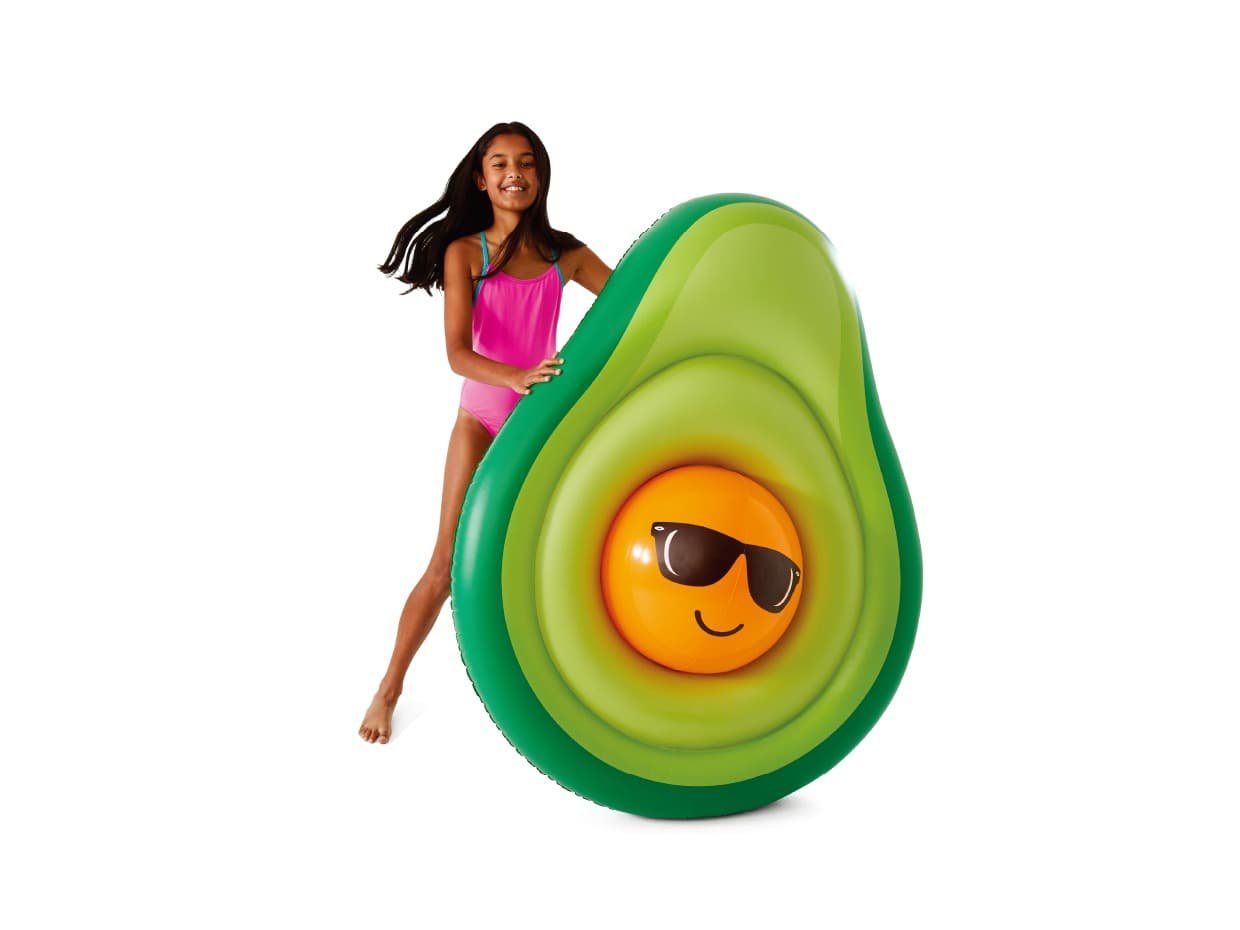
- Inflatable air beds
- Bodyboards
- Kickboards
- Surfboards
- Inflatable boats for deep water
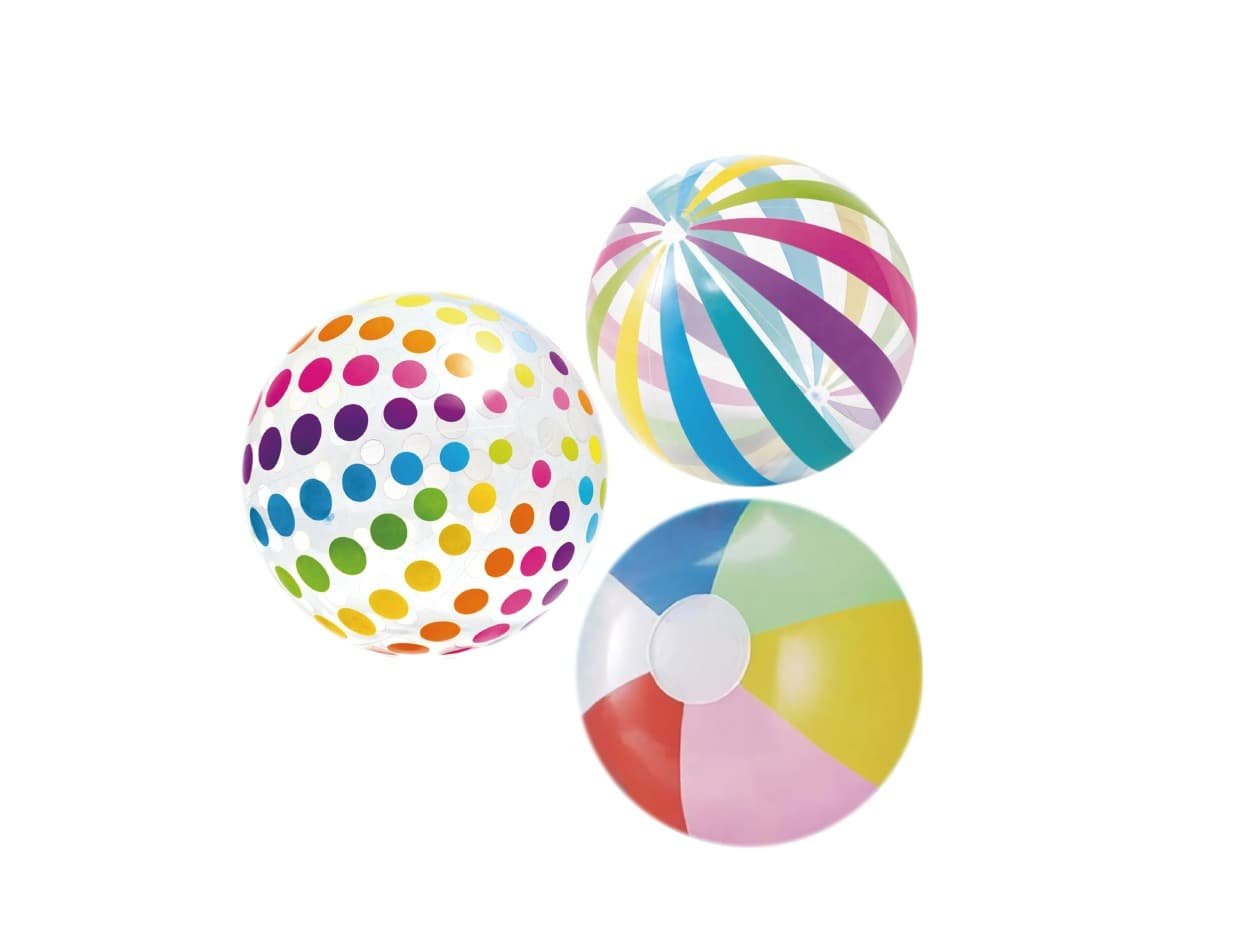
Used in Water ≠ Automatically an Aquatic Toy
Beach balls are expressly excluded from Australia’s Aquatic Toys Mandatory Standard. This does not mean a beach ball has no applicable safety requirements; it means the aquatic toy standard should not be applied simply because the item is inflatable and used around water.
- Toys for Children Up to and Including 36 Months: If a beach ball is a toy intended for children up to and including 36 months of age, Australia’s separate mandatory standard for toys for children up to and including 36 months of age may apply (specifying routes including AS/NZS ISO 8124.1, ISO 8124-1, EN 71-1, or ASTM F963-17).
- Other Age Groups & Uses: When intended for older children or promotional use, other applicable product requirements and project-specific protocols guide the testing scope.
Where Do Portable Inflatable Pools Fit?
Portable swimming pools fall under a separate mandatory standard:
Consumer Goods (Portable Swimming Pools) Safety Standard 2013
This standard covers portable pools for personal, domestic, or household use, including inflatable pools of any depth, soft-sided pools of any depth, and certain rigid-sided pools up to 300 mm deep. Requirements focus primarily on safety labelling and drowning hazard warnings on the pool and its packaging.
The 300 mm threshold relates to warning and fencing information; it is not a dividing line between ISO 8124 and AS/NZS 1900.
How the Australian Testing Route Is Determined
The testing pathway is established by reviewing product attributes in sequence rather than relying on product names alone:
Intended Use → Product Design → User / Age → Classification → Australian Requirement → Testing Route
Where applicable, customer or retailer quality protocols form an additional project layer.
Establishing this route early in development helps align technical artwork, mandatory warning texts, and pre-production samples with the appropriate testing protocol.
Compact Classification Reference
| Product Example | Initial Classification Direction | Main Compliance Direction |
|---|---|---|
| Inflatable Novelty Pool Float / Ride-On | Aquatic Toy | Aquatic Toys Mandatory Standard → ISO 8124-1 / AS/NZS ISO 8124.1 route |
| Unattached Recreational Swim Ring | Aquatic Toy | Aquatic Toys Mandatory Standard → ISO 8124-1 / AS/NZS ISO 8124.1 route |
| Arm Bands / Cuffs | Swimming & Flotation Aid | Swimming and Flotation Aids Mandatory Standard → AS/NZS 1900-based route |
| Attached Swimming-Aid Ring | Swimming & Flotation Aid | Swimming and Flotation Aids Mandatory Standard → AS/NZS 1900-based route |
| Swim Seat | Swimming & Flotation Aid Assessment | AS/NZS 1900-based route where classified accordingly |
| Swimming Aid Vest | Swimming & Flotation Aid | Swimming and Flotation Aids Mandatory Standard → AS/NZS 1900-based route |
| Beach Ball | Excluded from Aquatic Toys Mandatory Standard | Assess other applicable toy/product standards (e.g. toys ≤36 months if applicable) and project protocol |
| Inflatable Air Bed | Excluded from Aquatic Toys Mandatory Standard | Separate product-specific / project assessment |
| Portable Inflatable Pool | Portable Pool | Portable Swimming Pools Mandatory Standard 2013; separate route |
Footnote: Product examples provide a general classification framework and are not a substitute for formal product-specific classification or current regulatory review.
COMCO: From Product Classification to Production
COMCO develops and manufactures inflatable water products for international brand and retail programs, including pool floats, swim rings, swimming aids, inflatable pools, and water-play products.
During product development, intended use, product configuration, target market, and applicable project requirements directly affect artwork, safety warnings, construction details, and third-party laboratory testing:
Frequently Asked Questions
Does Australia use ISO 8124 for inflatable water toys?
ISO 8124-1 / AS/NZS ISO 8124.1 is part of the compliance route for products classified as aquatic toys under Australia's current mandatory standard. It should not be applied automatically to every inflatable product used in water.
What is the difference between an aquatic toy and a swimming/flotation aid?
Aquatic toys are intended for children's play in shallow water. Swimming and flotation aids are designed for purposes such as water familiarisation, swimming tuition, and buoyancy assistance. They are covered by separate mandatory standards.
Does every swim ring follow ISO 8124 in Australia?
No. Unattached recreational rings are recognized within the aquatic toy framework, while attached rings can fall within the swimming and flotation aid framework. Intended use and product design determine the route.
Is a beach ball an aquatic toy under Australia's Aquatic Toys Mandatory Standard?
No. Beach balls are expressly excluded. Other applicable requirements, such as Australia's standard for toys for children up to and including 36 months, may apply depending on the product, age grading, and project.
Do inflatable pools use ISO 8124 or AS/NZS 1900?
Portable inflatable pools have a separate Australian mandatory standard. The route should not be selected solely from the fact that the pool is inflatable.
Developing an Inflatable Water Product for Australia?
Share the product concept, reference design, intended use, and target market. COMCO can review the product development requirements and coordinate the applicable sample and testing process with your team.
Discuss Your Australia Program →资源中心
相关文章
合规与检测 · 2026年10月3日
European Compliance Guide for Water Leisure Products & Pools
Understand how European product classification affects testing routes for aquatic toys, swimming aids, floating leisure articles and pools, including EN 71, EN 13138, EN…

合规与检测 · 2026年10月3日
U.S. Compliance Guide for Inflatable Toys, Pool Floats & Inflatable Pools
Understand U.S. compliance considerations for inflatable toys, pool floats and inflatable pools, including ASTM F963, ASTM F2666, children's product requirements and retailer testing protocols.