
采购指南与行业洞察
Commercial Water Park Slide Tubes vs. Recreational Swim Rings: What Buyers Should Know
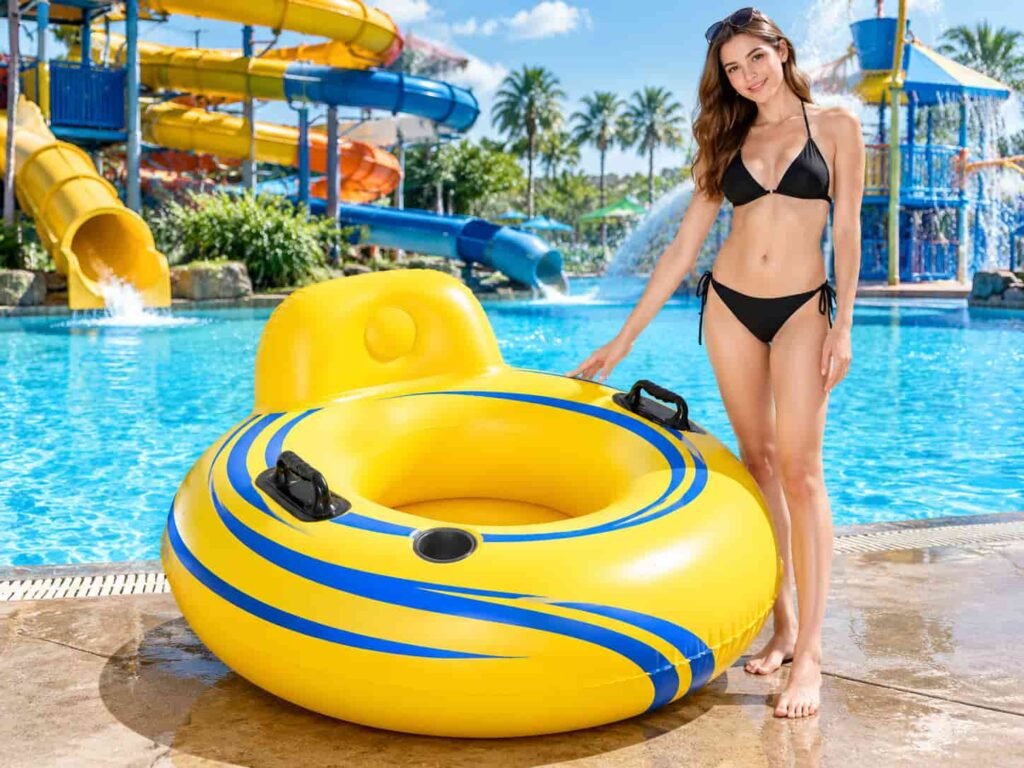
A commercial water park slide tube can look structurally similar to a recreational swim ring. The key differences are not the basic shape or overall appearance, but how the material specification and weld seam are selected for the intended application.
For buyers evaluating inflatable tube options, understanding these specific engineering choices helps align product specifications with operational requirements.
Intended Application
The primary driver behind specification differences is where and how the product is used:
- Recreational Swim Ring: Intended for shallow-water recreational use in residential pools, calm beaches, or calm resort swimming areas.
- Commercial Water Park Slide Tube: Designed specifically for commercial water park slides, where riders travel down flumes and slides from height. During typical operation, the tube experiences dynamic impact and temporary deformation as it navigates turns, drops, and water landings.
Material Selection: PVC Thickness & Elasticity
For commercial water park slide tubes, COMCO offers heavy-duty 0.7–1 mm PVC as well as specialized TPU options.
For the PVC version, COMCO specifies K80 high-elastic PVC rather than standard recreational grades.
K80 is selected for its superior elasticity and faster shape recovery after impact or temporary deformation during slide descents. Material thickness and material elasticity are distinct technical considerations—simply using thicker PVC does not deliver the recovery behavior needed for repeated slide impacts.
In contrast, recreational swim rings use thinner, standard-gauge PVC formulated for calm leisure environments where high elasticity and rapid shape recovery are not required.
Weld Seam: HF vs. Hot-Air Overlap
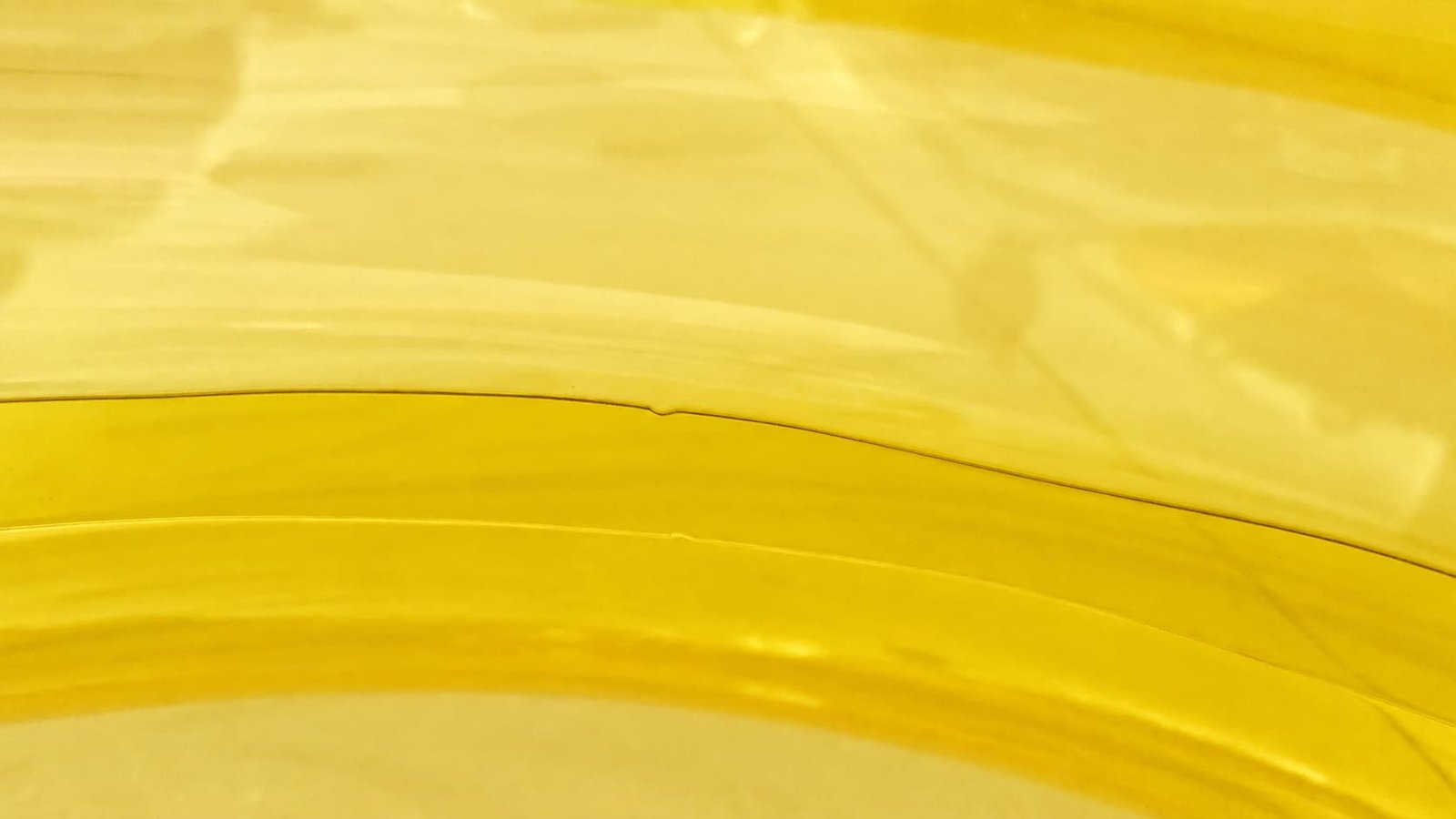
The fundamental shape of a commercial slide tube remains the same whether produced via High-Frequency (HF) or Hot-Air welding. The operational distinction lies in seam geometry:
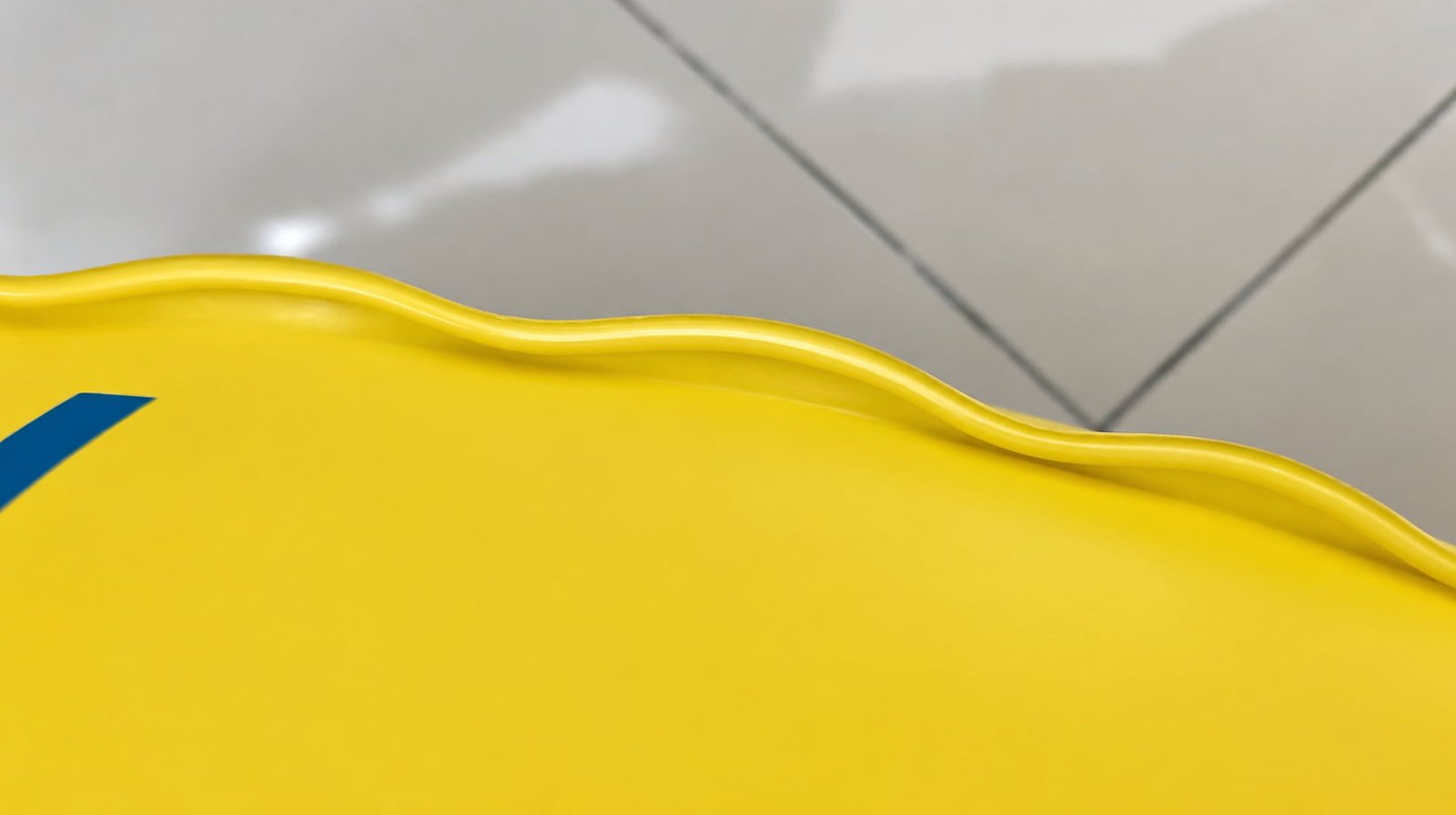
- HF Welding: Uses electromagnetic energy and pressure to create a fused, compressed seam. It provides high production efficiency and excellent consistency for volume orders.
- Hot-Air Overlap Welding: Creates an overlapping seam geometry. Based on COMCO's project experience and customer feedback, Hot-Air overlap seams have shown extended service life in demanding slide-tube applications under intensive repetitive use.
Hot-Air is not universally superior to HF; each process addresses different project priorities. For an in-depth breakdown of tooling, labor, and seam geometry, see our guide on High-Frequency vs. Hot-Air Welding for Inflatable Products.
Side-by-Side Comparison
| Factor | Recreational Swim Ring | Commercial Water Park Slide Tube |
|---|---|---|
| Basic Shape & Structure | Circular inflatable ring | Similar circular inflatable ring |
| Intended Application | Shallow-water leisure use | Commercial water park slides from height |
| Impact & Deformation | Low impact in calm water | Requires rapid shape recovery after dynamic slide impacts |
| Material Selection | Thinner, standard recreational PVC | 0.7–1 mm K80 high-elastic PVC or TPU options |
| Weld Seam | Standard HF seam | HF fused seam or Hot-Air overlap seam |
| Quality Control Framework | Standard factory QC protocols | Standard factory QC protocols (same core framework) |
By focusing on application requirements, material elasticity, and seam selection rather than outward appearance, sourcing teams can choose the right specification for their market.
Developing a Commercial Water Park Project or Sourcing Slide Tubes?
Contact COMCO to discuss material grades, seam options, and custom manufacturing specifications for your project.
Contact COMCO →资源中心
相关文章
采购指南与行业洞察 · 2026年10月6日
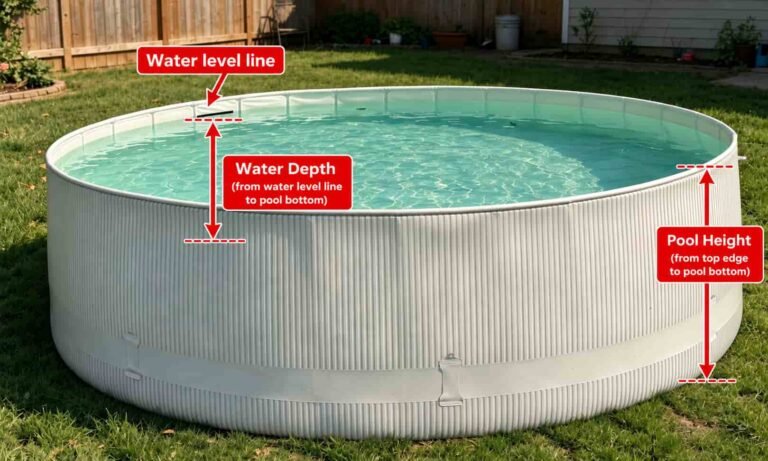
Pool Wall Height vs. Usable Water Depth: What Pool Buyers Need to Know
Understand the difference between pool wall height and usable water depth, plus how water-level markings are applied during pool manufacturing.
采购指南与行业洞察 · 2026年10月6日
PVC vs. TPU for Inflatable Products: Which Material Should You Choose?
Compare PVC and TPU for inflatable products, including material cost, performance, PVC-free requirements and how to choose the right material.
采购指南与行业洞察 · 2026年10月6日
High-Frequency vs. Hot-Air Welding for Inflatable Products
Compare HF and hot-air welding for inflatable products, including seam construction, production efficiency, cost and commercial water park applications.