
采购指南与行业洞察
PVC vs. TPU for Inflatable Products: Which Material Should You Choose?
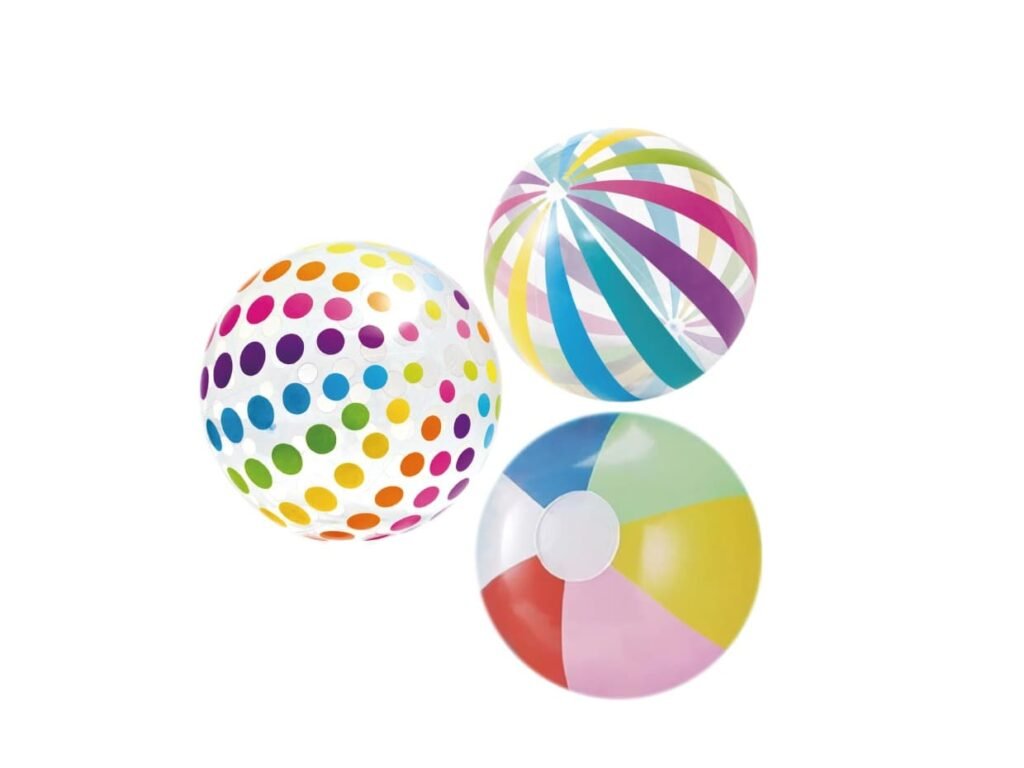
PVC and TPU are both used in inflatable products, but they serve different project requirements.
For most buyers, the decision comes down to cost, product performance, intended use and material requirements from the customer or retailer.
TPU is not automatically the better choice. For many inflatable products, PVC remains the more practical and economical material.
Why Is PVC So Widely Used?
PVC is widely used across many inflatable product categories.
It offers a practical combination of flexibility, weldability, manufacturing efficiency and cost, making it especially suitable for volume OEM production.
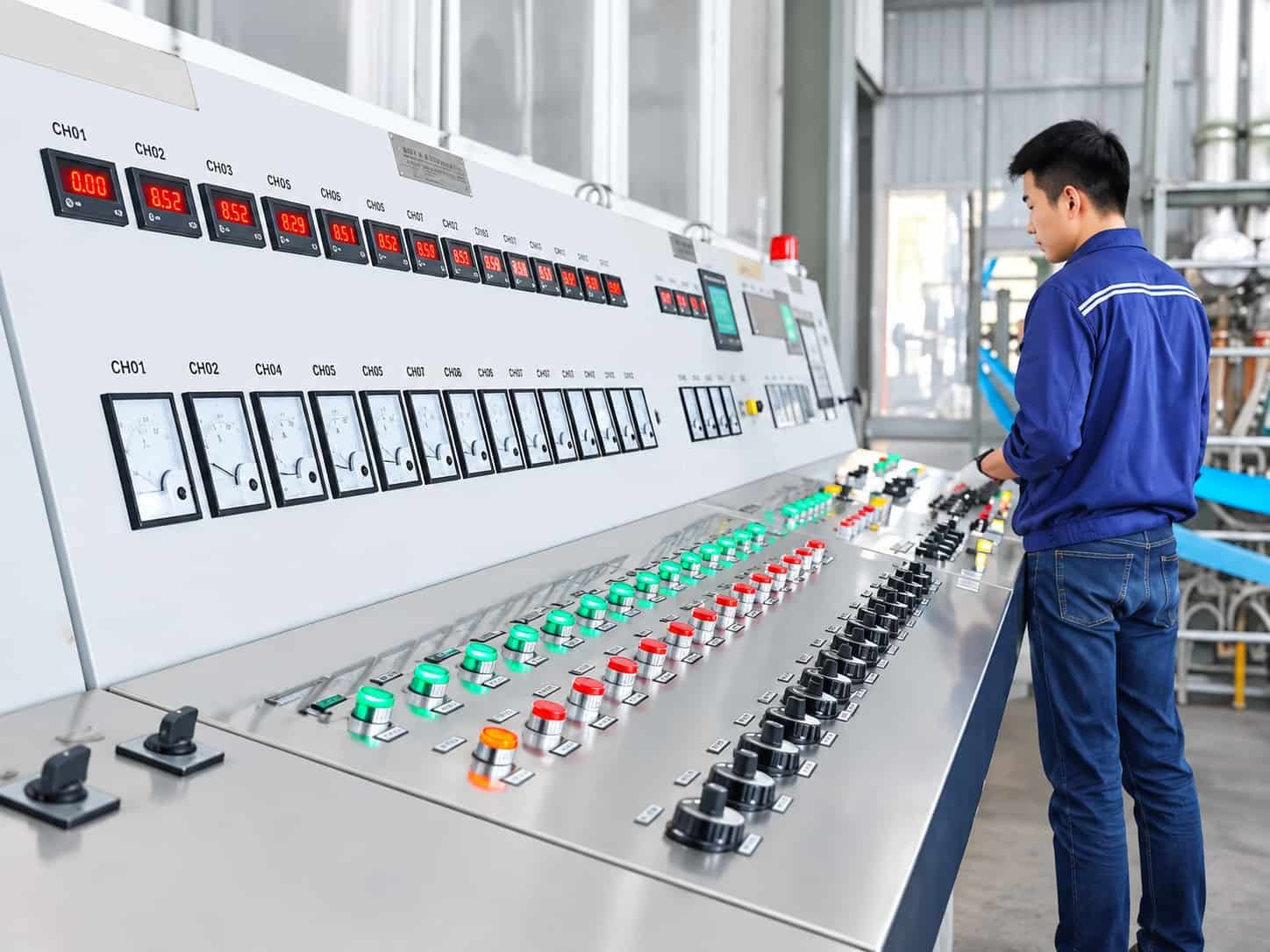
PVC formulations can also be selected according to different product and market requirements.
For conventional inflatable products where there is no specific PVC-free requirement, PVC is often the most cost-efficient choice.
When Does TPU Make Sense?
TPU is a higher-cost thermoplastic material that can offer advantages in areas such as abrasion resistance, toughness, flexibility and low-temperature performance, depending on the grade and product construction.
TPU can also support lighter constructions for applications where reducing product weight is important.
Another important reason buyers choose TPU is PVC-free material requirements. Some brands and retailers restrict PVC in certain product categories, making a suitable TPU construction an alternative when PVC cannot be used.
However, TPU raw material is significantly more expensive than conventional PVC, so the cost impact depends partly on how much material the product uses. For smaller products such as beach balls and promotional inflatables, material consumption per unit is relatively low, so switching to TPU may have a more manageable impact on the finished-product cost. This can make TPU a practical option for promotional projects with PVC-free material requirements.
PVC vs. TPU at a Glance
| Factor | PVC | TPU |
|---|---|---|
| Material Cost | More economical | Significantly higher |
| Inflatable Production | Mature & widely used | More specialized |
| Abrasion / Flexibility | Suitable for many conventional applications | Can offer advantages in demanding applications |
| Low-Temperature Performance | Formulation-dependent | Generally better |
| Lightweight Construction | Conventional solution | Can offer weight-saving potential |
| PVC-Free Requirement | No | Suitable when PVC-free material is required |
Not All TPU Is the Same
TPU is available in different chemistries, including polyester-based and polyether-based TPU.
COMCO commonly works with polyester-based TPU for inflatable products, offering a practical balance between performance and cost.
Polyether TPU may be considered when higher hydrolysis resistance is required for prolonged wet or humid conditions.
The appropriate TPU grade should therefore be selected according to the actual application rather than simply specifying “TPU.”
Which Material Should You Choose?
For volume production, conventional inflatable applications and cost-sensitive projects, PVC is usually the more practical choice.
TPU is worth considering when the project has a specific PVC-free requirement, or when properties such as abrasion resistance, flexibility, low-temperature performance or lightweight construction are particularly important.
Material selection and welding-process selection should also be considered separately. Both depend on the actual material grade, product construction and intended use. For an in-depth comparison of seam construction, tooling and manufacturing efficiency, see our guide on High-Frequency vs. Hot-Air Welding for Inflatable Products.
The right material is not necessarily the more expensive one—it is the one that meets the product requirements without adding unnecessary cost.
Developing an Inflatable Product?
Contact COMCO to discuss the material and construction that best fit your application.
Contact COMCO →资源中心
相关文章
采购指南与行业洞察 · 2026年10月6日
Pool Wall Height vs. Usable Water Depth: What Pool Buyers Need to Know
Understand the difference between pool wall height and usable water depth, plus how water-level markings are applied during pool manufacturing.
采购指南与行业洞察 · 2026年10月6日
High-Frequency vs. Hot-Air Welding for Inflatable Products
Compare HF and hot-air welding for inflatable products, including seam construction, production efficiency, cost and commercial water park applications.
采购指南与行业洞察 · 2026年10月4日
日本水上充气制品安全合规要求:产品类别界定、ST玩具标准与结构工程解析
深入解析出口日本水上充气制品的安全合规体系:明确ST标准本质、3岁以下儿童PSC强制法规、身体浮力支撑产品的特殊监管逻辑,以及日本泳圈为何普遍采用双气室结构,协助品牌与买家建立从分类、工程到量产的严密路径。